Understanding the Physician Job Cover Letter
A physician job cover letter is a crucial document in your application process. It’s your opportunity to introduce yourself, highlight your qualifications, and express your interest in a specific position. Unlike a resume, which provides a factual overview of your experience, the cover letter allows you to personalize your application and demonstrate your personality, passion, and suitability for the role. This is your first impression, so crafting a well-written and compelling cover letter is essential for getting noticed by hiring managers. Understanding its purpose and structure is the first step toward writing an effective cover letter that helps you land your dream job.
The Importance of a Physician Cover Letter
A physician cover letter is more than just a formality; it’s a vital tool in securing a job. It allows you to showcase your unique skills, experiences, and personality in a way that a resume alone cannot. It’s where you can connect your background and experience directly with the requirements of the job posting, demonstrating that you are the ideal candidate. A strong cover letter also helps you stand out from other applicants by providing insights into your motivation for applying and why you are a good fit for the organization. It’s your chance to make a strong first impression and convince the hiring committee that you’re the right person for the job.
Highlighting Your Qualifications

When highlighting your qualifications, focus on the skills and experiences most relevant to the specific job. Carefully review the job description and identify the key requirements. Then, in your cover letter, provide concrete examples of how you have met those requirements. This could include detailing your experience in specific medical procedures, patient care, or leadership roles. Be specific and provide quantifiable results whenever possible. For example, instead of saying ‘Managed a team,’ say ‘Led a team of 10 medical professionals, resulting in a 15% improvement in patient satisfaction scores.’ This approach provides tangible evidence of your abilities and makes your application more persuasive.
Key Components of a Physician Cover Letter
Contact Information and Date
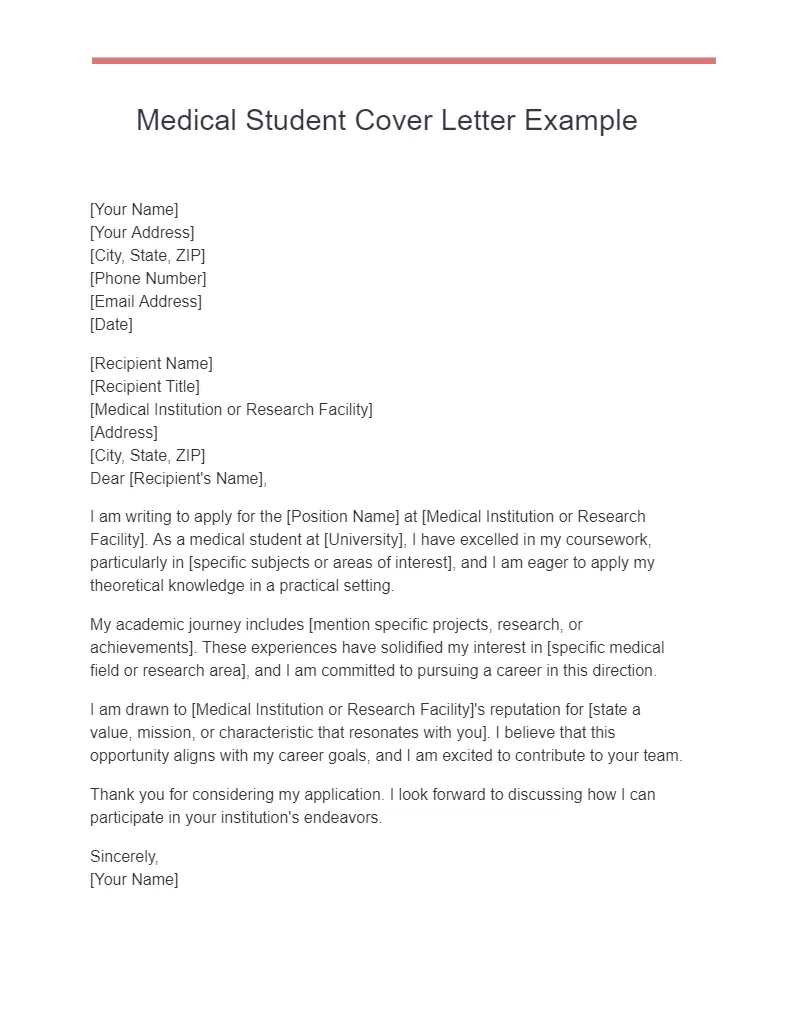
Begin your cover letter with your contact information, including your full name, address, phone number, and professional email address. This ensures that the hiring manager can easily reach you. Below your contact information, include the date. Following standard business letter format, this placement is the first element of your letter. Ensure your contact details are current and professional to give a good first impression. Accuracy here is paramount, as even a minor error can lead to missed opportunities or a frustrating communication experience for the potential employer. The date confirms the letter’s recency.
The Salutation

The salutation sets the tone for your entire cover letter. Address the hiring manager by name if possible. This personalized touch shows you’ve taken the time to research the organization. If you can’t find a specific name, use a professional greeting such as ‘Dear Hiring Committee.’ Avoid generic salutations like ‘To Whom It May Concern’ or ‘Dear Sir/Madam’, as they come across as impersonal. Researching the hiring manager’s name also demonstrates a proactive approach and a genuine interest in the position. This personalized approach sets you apart from other applicants who use generic salutations.
Writing a Compelling Opening
The opening paragraph is your chance to grab the reader’s attention. State the position you are applying for and where you saw the job posting. Then, immediately highlight your most relevant qualifications or achievements. Clearly express your enthusiasm for the role and the organization. Make a strong statement that captures the reader’s interest and makes them want to learn more about you. Avoid generic introductions; instead, offer a brief, attention-grabbing statement that emphasizes your key skills and experience. For example, start with a succinct summary of your skills or your passion for patient care.
Showcasing Your Skills and Experience
In the body of your letter, provide detailed examples of your skills and experiences that align with the job requirements. Use the STAR method (Situation, Task, Action, Result) to illustrate your accomplishments. Briefly describe the situation, the task you faced, the actions you took, and the positive results you achieved. This approach provides concrete evidence of your capabilities. Customize this section for each job you apply for. Your goal should be to provide clear, concise examples of how you’ve succeeded in the past and how those experiences translate to the specific job you want. Be as detailed as possible, and always quantify your accomplishments whenever possible.
Tailoring to the Job Description

Each physician job cover letter should be tailored to the specific job description. Carefully review the requirements, responsibilities, and qualifications listed in the job posting. Highlight the experiences and skills that match those requirements, using the same language and keywords when appropriate. This demonstrates to the hiring manager that you have read and understood the job requirements. Customize your letter to show you are a perfect fit, and you understand the organization’s needs. Avoid using a generic letter; personalize it to showcase your understanding of the role and the company’s values and mission.
Quantifying Achievements
Quantify your achievements to make your cover letter more impactful. Instead of saying you ‘improved patient outcomes,’ state that you ‘increased patient recovery rates by 20%.’ Use numbers and data to illustrate your successes, showing the impact you made in your previous roles. This approach makes your achievements more tangible and demonstrates your ability to achieve measurable results. Include specific examples and statistics to highlight your accomplishments. For example, mention the number of patients you’ve treated, the success rate of specific procedures, or any cost savings you achieved. This provides a more compelling view of your abilities and value.
Expressing Enthusiasm and Fit
Expressing enthusiasm for the position and organization can significantly boost your application. Explain why you are interested in the role and what attracts you to the company or healthcare facility. Show that you have researched the organization’s mission, values, and recent achievements. Highlight how your personal and professional goals align with the company’s goals. Your enthusiasm should be genuine and reflective of your passion for medicine and patient care. This excitement will make you stand out and signal to the hiring manager that you would be a good cultural fit for the organization.
The Closing and Call to Action

In your closing, reiterate your interest and thank the reader for their time and consideration. End with a call to action, such as requesting an interview or expressing your eagerness to discuss your qualifications further. Provide your contact information again to ensure the hiring manager can easily reach you. The closing paragraph should be concise and professional, leaving a positive impression. Reiterate your enthusiasm for the role and your readiness to contribute to the organization. Make your desire for an interview very clear, and express gratitude for the opportunity.
Formatting and Presentation
Font and Readability
Choose a professional and easy-to-read font such as Times New Roman, Arial, or Calibri. Use a font size between 10 and 12 points for the body of your letter, and ensure there is sufficient spacing between paragraphs. This makes your cover letter easier to read and allows the hiring manager to quickly scan the document. Consistent formatting also enhances the overall presentation of your letter. Ensure that your headings are clear and distinguishable, which helps with readability. Also, use bullets to make lists easier to follow.
Length and Structure

Keep your cover letter concise, ideally no more than one page. Structure it logically with clear paragraphs and headings to enhance readability. Use concise language and avoid unnecessary jargon. The structure should include an introduction, body paragraphs highlighting your skills and experience, and a conclusion. Make sure that the information is easy to find and well-organized. A well-structured cover letter helps the hiring manager quickly understand your qualifications and assess your suitability for the position. Proofread the letter for any grammatical errors, including punctuation, to maintain professionalism.
Proofreading and Editing
Proofread your cover letter meticulously for any errors in grammar, spelling, and punctuation. Errors can create a negative impression, suggesting a lack of attention to detail. Ask a colleague or friend to review your letter for a fresh perspective. This outside review can catch mistakes you might have missed. Read the letter aloud to spot any awkward phrasing or sentences that don’t flow smoothly. Before submitting your application, make sure the letter is perfect, as even small errors can have a negative impact on your prospects. Ensure a polished and professional appearance to increase your chances of success.
Avoiding Common Mistakes
Generic vs Personalized

One of the most common mistakes is sending a generic cover letter that is not tailored to the specific job or the organization. Employers can easily spot a generic cover letter, which makes it appear that you are not genuinely interested in the position. Always customize your cover letter to match the job description. Research the organization, and highlight the skills and experiences most relevant to the specific role. This personalized approach will make a stronger impression on the hiring manager and increase your chances of getting an interview. Generic letters show a lack of effort and genuine interest, while personalized letters demonstrate you understand the role.
Typos and Grammatical Errors
Typos and grammatical errors can undermine your credibility. They convey a lack of attention to detail and professionalism. Always proofread your cover letter multiple times. Use spell-check and grammar-check tools, but don’t rely on them entirely. Have someone else review your cover letter. A fresh set of eyes can catch mistakes you may have missed. Be sure to double-check names, titles, and any specific information that might be included in your letter. Ensure a polished and error-free letter that boosts your chances of a successful outcome.
Focusing Solely on Yourself
Avoid writing a cover letter that focuses solely on your needs and wants. While you should highlight your qualifications, remember to emphasize how you can benefit the organization. Explain how your skills and experience align with the company’s needs and how you can contribute to their goals. This approach shows you’ve considered the employer’s perspective. Instead of writing ‘I want this job because…’, frame your letter around your ability to help them achieve their objectives, and make sure you’re showing your enthusiasm for helping them.
Actionable Steps to Write a Physician Cover Letter

Begin by thoroughly reviewing the job description, identifying the key skills and requirements. Next, tailor your cover letter to match the specific job. Highlight your relevant experiences, and quantify your achievements whenever possible. Then, express your enthusiasm for the role and the organization. Proofread your cover letter multiple times to catch and correct any errors. Ask a trusted friend or colleague to review the letter and provide feedback. Finally, save your letter in PDF format to ensure it is easily accessible. By following these steps, you will increase your chances of writing a cover letter that secures you an interview and ultimately your dream physician job. Use all these steps as a checklist to ensure you cover all elements.