What is a Cover Letter
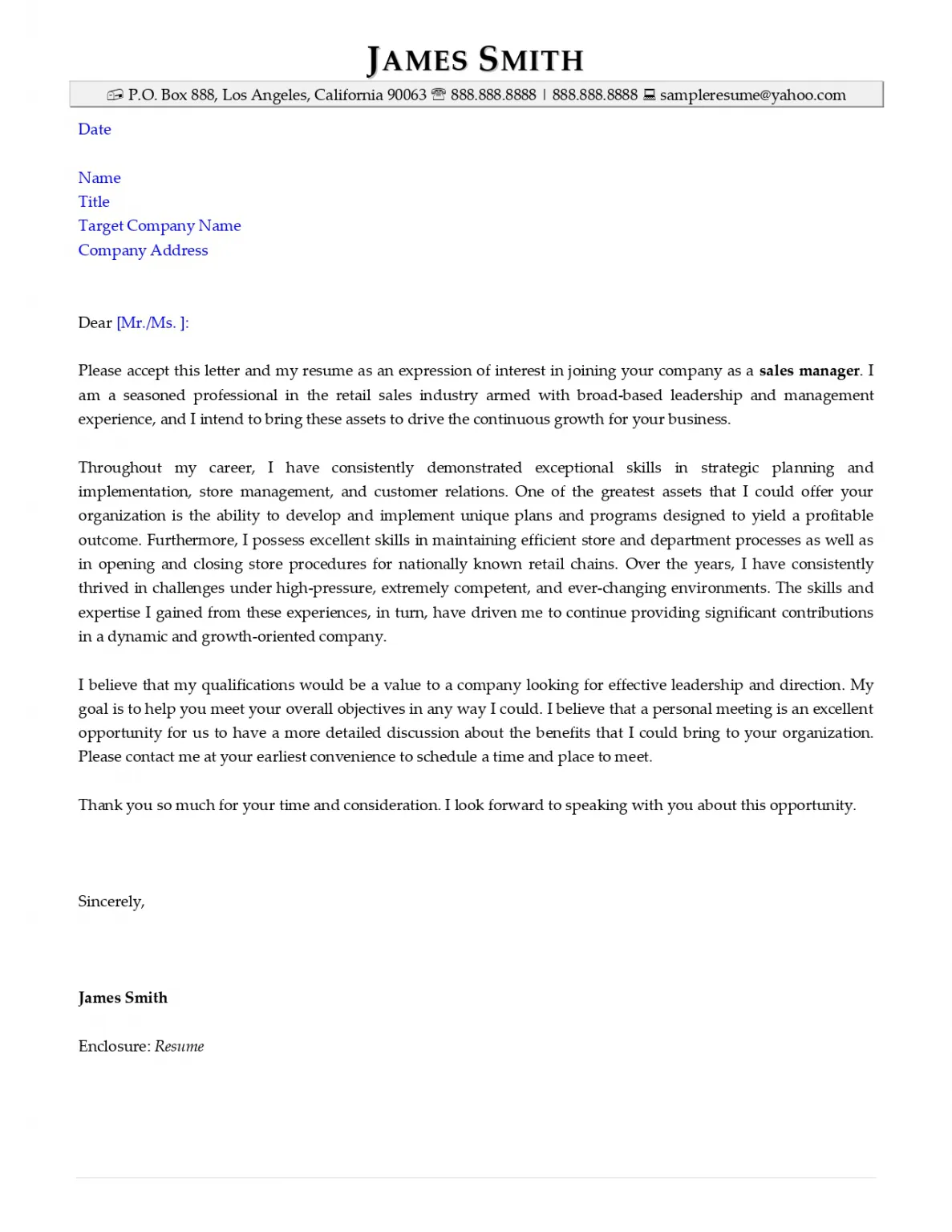
A cover letter is a crucial document that accompanies your resume when applying for a job. Think of it as your personal introduction to a potential employer. It’s your chance to go beyond the bullet points of your resume and showcase your personality, enthusiasm, and qualifications in a more engaging way. Unlike your resume, which provides a concise overview of your experience and skills, a cover letter allows you to elaborate on your suitability for a specific role and demonstrate why you’re the perfect fit for the company. It bridges the gap, providing context and personality to the sometimes sterile details within a resume. Effectively, the cover letter helps humanize your application, making you more than just a list of accomplishments.
Why Is a Cover Letter Important
In today’s competitive job market, a cover letter can be the deciding factor in whether your application makes it to the interview stage. It’s an opportunity to make a strong first impression, setting the tone for your entire application. Many hiring managers consider a cover letter essential, as it indicates your genuine interest in the position and the company. A well-crafted cover letter demonstrates your communication skills, attention to detail, and ability to tailor your application to the specific job requirements. It allows you to address any potential concerns the employer might have and highlight how your skills and experience align with their needs. By not including a cover letter you risk being overlooked, as it signals a lack of effort or genuine interest in the role.
Essential Elements of a Cover Letter

A compelling cover letter typically includes several key elements that work together to make a strong impression. Structure your letter to ensure clarity and impact. This includes contact information, a personalized salutation, an engaging introduction, a body that highlights relevant skills and experience, and a call to action that invites the reader to take the next step, such as scheduling an interview. The best cover letters are those that balance professionalism with personality, offering a glimpse into who you are beyond your professional achievements. Each element plays a crucial role in building a complete and persuasive narrative about your suitability for the job.
Contact Information
Start with your contact information at the top. Include your name, phone number, email address, and optionally, your LinkedIn profile URL. This should be easily accessible for the hiring manager. Make it easy for them to reach you quickly. Ensure that your email address is professional-sounding, avoiding nicknames or informal language. Double-check all details to ensure accuracy; a simple typo can lead to missed opportunities. This section ensures the recruiter knows how to contact you to schedule an interview.
The Salutation
Address your letter to a specific person whenever possible. Research the hiring manager’s name or the recruiter’s name and use it in your salutation, such as ‘Dear Mr. Smith.’ Avoid generic salutations like ‘To Whom It May Concern’ or ‘Dear Hiring Manager,’ as these can make your letter feel impersonal. If you can’t find a name, try ‘Dear [Department] Hiring Team.’ Personalizing your salutation shows you’ve done your research and are genuinely interested in the position. A personalized salutation immediately grabs the reader’s attention and signals that you’ve taken the initiative to make a more targeted application.
The Introduction

Your introduction should immediately grab the reader’s attention. State the position you’re applying for and briefly explain where you found the job listing. Then, quickly highlight a key achievement or skill that makes you stand out. This could be a compelling statement about your experience or a brief summary of why you’re a great fit for the company. Aim to capture their interest from the first sentence. The introduction sets the tone for the entire letter and influences the hiring manager’s first impression, encouraging them to read on and learn more about your qualifications and interest in the role.
Highlighting Your Skills and Experience
The body of your cover letter is where you showcase your relevant skills and experience. Connect your skills and past roles to the specific requirements of the job description. Instead of simply listing your responsibilities, focus on your achievements and the value you brought to your previous roles. Use the STAR method (Situation, Task, Action, Result) to provide concrete examples of your accomplishments. Quantify your achievements whenever possible by using numbers and data to illustrate your impact. This section should clearly demonstrate why you are the best candidate for the job. This helps the hiring manager quickly understand your suitability for the role and how your experience aligns with the company’s needs.
Tailoring to the Job
Customize each cover letter for the specific job you’re applying for. Avoid using a generic template; tailor the content to the company and position. Research the company’s values, mission, and culture, and then align your letter to show how you fit into their team. Mention specific keywords from the job description and explain how your skills and experience meet those requirements. This personalized approach shows that you’ve put in the effort to understand the role and are genuinely interested in the opportunity. It demonstrates your commitment to the company and increases your chances of standing out from other applicants.
Demonstrating Enthusiasm

Express your enthusiasm for the position and the company throughout your cover letter. Show your excitement for the opportunity to contribute to their success. Explain why you’re excited about the specific role and why you want to work for that company. Be genuine in your language. Mention something specific that attracted you to the company or the role, such as their values, a recent project, or an aspect of their culture. Your enthusiasm should be genuine and reflect your genuine interest in the position. This demonstrates that you are eager and motivated to contribute to the company’s goals.
Expressing Your Value Proposition
Clearly articulate the value you bring to the table. Explain what you can do for the company and how your skills and experience can benefit them. Highlight your unique qualifications and how you can solve their problems or contribute to their goals. Focus on what the company gains by hiring you. Showcase your value proposition. This might include increasing revenue, improving efficiency, or enhancing customer satisfaction. Demonstrating your understanding of their needs and how you can help them succeed is a critical element of a compelling cover letter.
The Call to Action
End your cover letter with a clear call to action. State your interest in an interview and how you would follow up. Reiterate your enthusiasm and thank the hiring manager for their time and consideration. Suggest a specific next step, such as expressing your availability for an interview. This shows initiative and encourages the reader to take action. A strong call to action ensures that the hiring manager knows what you expect and makes it easy for them to respond positively. This final touch increases the likelihood of your application moving forward.
Closing the Letter

Close your letter with a professional sign-off, such as ‘Sincerely,’ ‘Best regards,’ or ‘Thank you.’ Ensure your signature is clean and easy to read. Include a typed signature or use a digital signature if submitting electronically. This signals the end of the letter in a professional manner and adds a final touch of formality. Always proofread the entire letter again before sending it to ensure there are no errors. A well-structured and error-free closing leaves the hiring manager with a positive impression, reinforcing your professionalism and attention to detail.
Proofreading and Formatting
Proofread your cover letter multiple times to catch any typos, grammatical errors, or formatting issues. Ask a friend or family member to review it as well. Pay close attention to your grammar, spelling, and punctuation. Use a professional and easy-to-read font like Arial or Times New Roman, and ensure the text is well-formatted with clear spacing and alignment. A polished, error-free cover letter demonstrates your attention to detail and commitment to professionalism. Ensure consistency throughout your document, including the format of your contact information, dates, and the overall layout. A well-formatted letter is easier to read and more likely to leave a positive impression.
Key Things to Remember About Cover Letters
To make your cover letter as effective as possible, always tailor each letter to the specific job and company. Highlight your relevant skills and experience. Focus on your achievements. Proofread carefully, and make sure your letter is free of errors. Remember that the goal is to make a strong first impression and encourage the hiring manager to invite you for an interview. The cover letter acts as your personalized introduction, setting the stage for a more in-depth conversation about your qualifications and your suitability for the role. Avoid generic language, and always show genuine enthusiasm. By following these guidelines, you increase your chances of landing your dream job. Remember, your cover letter is a crucial tool in your job search, so make the most of it.