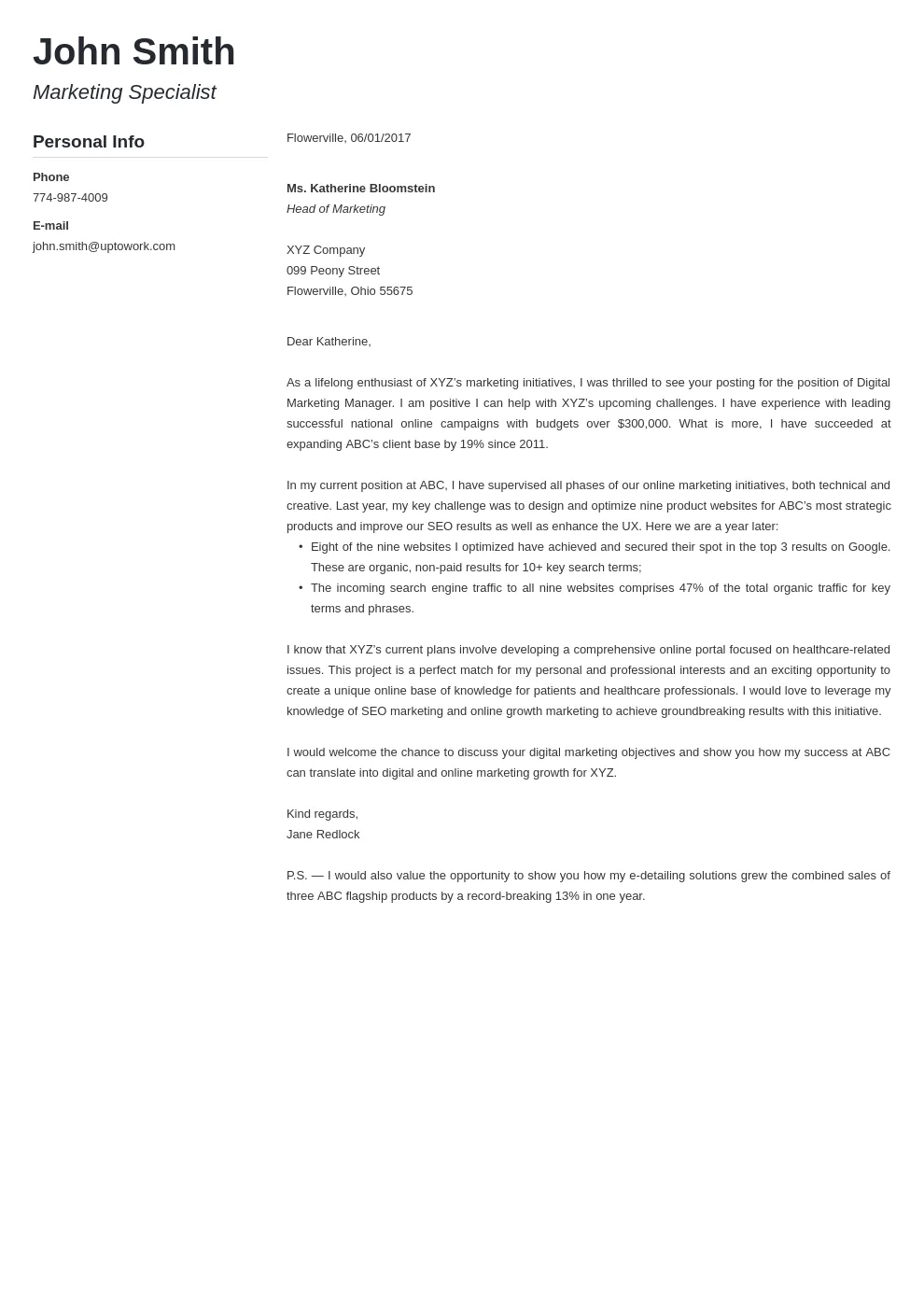
What is a Resume Cover Letter
A resume cover letter is a crucial document accompanying your resume when applying for a job. It serves as a personalized introduction, allowing you to highlight your skills, experience, and qualifications in a way that a standard resume cannot. The primary goal of a cover letter is to convince the hiring manager that you are the perfect candidate for the position. It provides context to your resume, explaining why you are interested in the role and what value you can bring to the company. Think of it as your first impression and a chance to showcase your communication skills and personality.
The Importance of a Cover Letter
In today’s competitive job market, a well-crafted cover letter can significantly increase your chances of landing an interview. It’s a vital tool that allows you to go beyond the basic information presented in your resume. It allows you to demonstrate your writing skills, explain your career goals, and show genuine interest in the specific opportunity. A cover letter provides you with a platform to explain any gaps in your employment history, address specific job requirements, and demonstrate how your skills and experiences align with the company’s needs. A cover letter is not just a formality; it is a strategic advantage.
Why a Cover Letter is Crucial

A cover letter allows you to tailor your application to the specific job you are applying for. Generic resumes are easily spotted, while a well-written cover letter demonstrates that you have taken the time to understand the role and the company. It helps the hiring manager quickly identify the value you can bring to the team. By addressing specific skills and achievements, you make it easier for them to see how your qualifications align with their needs. Including a cover letter shows attention to detail and a willingness to go the extra mile, leaving a positive impression with potential employers.
Boosting Your Chances
A cover letter can boost your chances of securing an interview by making a strong first impression. It provides a space to show your personality and passion for the role. It helps you stand out from other applicants by demonstrating your unique qualifications and how they are specifically related to the role. It’s a chance to explain career transitions, address potential concerns, and sell yourself as the best candidate. By investing time in crafting a compelling cover letter, you show that you are serious about the opportunity and ready to make a valuable contribution.
Key Elements of a Professional Cover Letter
A well-structured cover letter consists of several key elements. These components work together to create a compelling argument for why you should be hired. Focusing on these areas will improve your overall impact and make sure your cover letter is effective at showcasing your skills. Each of these elements plays a crucial role in your application. When you are paying attention to these details, it will separate your application from others and demonstrate your professionalism.
Header and Contact Information

Start your cover letter with a professional header that includes your name, address, phone number, and email address. This information should match the details on your resume. A well-formatted header is essential, ensuring that the recruiter can easily contact you. It’s important to make it easy for a hiring manager to get in touch with you. Make sure that you are easy to contact and provide clear information.
Formatting Your Header
Format your header in a clear and concise way. Choose a professional font and size that is easy to read. Align your contact information to the left or right, and ensure the layout is visually appealing. Use a consistent style for both your resume and cover letter. Consistency demonstrates professionalism and attention to detail, further adding to your application. Make sure all the information is accurate and up to date.
Addressing the Hiring Manager
Address your cover letter to a specific person, if possible. Research the hiring manager’s name and use it in your greeting. A personalized greeting shows that you have taken the time to learn about the company. If the hiring manager’s name is unavailable, use a professional greeting like “Dear Hiring Manager” or “Dear [Department Name] Team.” Avoid generic greetings such as “To Whom It May Concern”, which may make your application seem impersonal. Always ensure the information is correct.
Crafting Your Opening Paragraph

The opening paragraph is your opportunity to grab the reader’s attention. State the position you are applying for and how you found the job listing. Briefly mention what excites you about the role or the company. Show your enthusiasm and make a strong first impression by highlighting your key skills and experiences that align with the job requirements. This section is all about presenting a powerful opening, designed to capture the attention of the hiring manager and motivate them to read on.
Highlighting Your Qualifications
The body of your cover letter is where you demonstrate how your skills and experiences match the job requirements. Provide specific examples of your accomplishments and explain how they have contributed to your previous roles. Tailor your letter to the specific needs of the employer. Show how your qualifications will benefit the organization. Use the job description as a guide to ensure you address their priorities. Provide concrete examples of your skills.
Showcasing Relevant Skills
Focus on skills that directly align with the job description. Provide detailed examples of how you have used these skills in previous roles and the outcomes you achieved. Use keywords from the job description to show that you understand their requirements. This is a great way to demonstrate your ability to meet the needs of the company and become part of their team. Give detailed examples and be specific with your achievements.
Quantifying Your Achievements
Whenever possible, quantify your achievements with data and statistics. Use numbers to demonstrate the impact you have made in previous roles. For example, mention how you increased sales, improved efficiency, or reduced costs. Quantifiable achievements make your accomplishments more concrete and show the value you can bring to the company. Use metrics whenever possible to bolster your credibility.
Writing a Strong Closing
The closing paragraph should leave a positive and lasting impression. Summarize your key qualifications and reiterate your interest in the position. Express your gratitude for the reader’s time and consideration. Include a call to action, such as stating that you look forward to hearing from them soon. The closing is as important as the introduction. Leave a lasting impression and express your enthusiasm for the position.
Expressing Gratitude and Enthusiasm
Thank the hiring manager for taking the time to review your application. Show your genuine enthusiasm for the opportunity and the company. This demonstrates professionalism and positive attitude. A sincere expression of gratitude will make the hiring manager feel valued. Reiterate your interest and highlight your eagerness to join the team.
Call to Action

Include a clear call to action, such as stating that you are looking forward to the opportunity to discuss your qualifications further in an interview. Provide your contact information again, making it easy for the hiring manager to reach you. A strong call to action encourages the reader to take the next step in the hiring process. Ensure your contact information is accurate and easy to find.
Proofreading and Editing
Before submitting your cover letter, proofread it carefully. Check for any grammatical errors, spelling mistakes, and typos. Errors will reflect poorly on your professionalism. Have someone else review your cover letter to catch any mistakes you might have missed. Ensure your letter is clear, concise, and free of errors. Attention to detail is critical for a cover letter.
Common Mistakes to Avoid
Avoid common mistakes that can undermine your cover letter and decrease your chances of being hired. These mistakes can make your cover letter appear unprofessional. Being aware of these mistakes and avoiding them can make your cover letter more impactful and effective.
Using Generic Language

Avoid using generic phrases that don’t add any value to your application. Instead of using cliché statements, personalize your letter. Focus on demonstrating specific skills, achievements, and experiences that are relevant to the job. Generic language can make your application seem less thoughtful and less tailored. Specifics are always more powerful than generic statements. Use unique language to grab their attention.
Ignoring the Job Description
Failing to address the requirements outlined in the job description is a major mistake. Tailor your letter to the specific needs of the employer. Highlight the skills and experiences that match their requirements. Ignoring the job description will make your application seem irrelevant. Always reference the job description when writing your letter. Show that you understand the role and what the company is looking for in a candidate.
Conclusion
A well-crafted cover letter is essential for any job application. It’s your chance to present yourself as a suitable candidate and make a strong first impression. By following these guidelines, you can write a cover letter that stands out from the competition and increases your chances of getting hired. Take the time to craft a cover letter that truly reflects your skills, experience, and personality. This is one of the most important documents in your job search. Make sure it represents you.