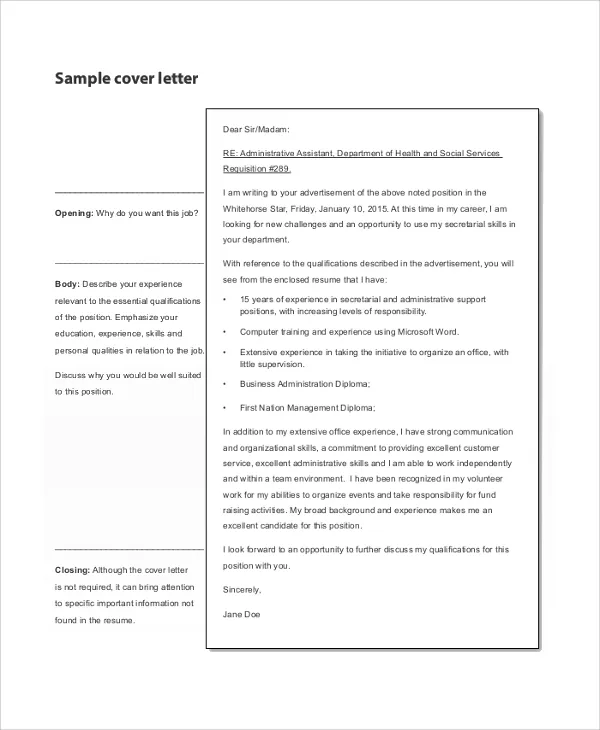
Crafting a Winning Professional Resume
In today’s competitive job market, a well-crafted professional resume is your most important tool. It’s the first impression you make on a potential employer, and it can significantly impact whether you get an interview. A strong resume not only showcases your skills and experience but also highlights your value proposition. This guide provides you with the essential components and best practices to create a resume that grabs attention and helps you get hired fast.
Essential Resume Sections
A compelling resume is structured with key sections that provide a clear overview of your qualifications. Each section should be carefully crafted to highlight your strengths and align with the job requirements. Understanding what to include in each section is crucial for creating an effective resume.
Contact Information

This section is the most straightforward but essential. Include your full name, phone number, professional email address, and optionally, a link to your LinkedIn profile. Ensure your contact information is accurate and up-to-date so employers can easily reach you. Keep your email address professional; avoid nicknames or casual addresses.
Resume Summary or Objective
This section is your elevator pitch. A resume summary is a brief overview of your experience and accomplishments, perfect for seasoned professionals. An objective is a statement of your career goals, more suitable for entry-level candidates. Tailor this section to the job you’re applying for, highlighting relevant skills and your value to the company. Keep it concise and engaging, aiming to capture the reader’s interest immediately.
Work Experience
This is the heart of your resume. List your previous jobs in reverse chronological order. For each position, include your job title, the company name, dates of employment, and a bulleted list of responsibilities and accomplishments. Use action verbs to describe your duties, and quantify your achievements whenever possible. Focus on what you accomplished rather than just what you did.
Education

Include your educational background, listing degrees, certifications, and relevant coursework. Include the name of the institution, the degree earned, and the dates of attendance or graduation. If you have limited work experience, you can add details like your GPA (if it’s impressive), relevant projects, and extracurricular activities to strengthen this section.
Skills Section
This section highlights your skills and abilities. Categorize your skills for clarity, such as technical skills, soft skills, and language skills. Include both hard skills (specific, job-related abilities) and soft skills (interpersonal and communication skills). Tailor your skills to match the job description; prioritize the skills the employer is seeking.
Formatting and Design Tips
The visual appeal of your resume is just as important as its content. Good formatting and design make your resume easy to read and help it stand out. A well-designed resume guides the reader’s eye and presents your information in a clear, organized manner. Consider the layout, font choices, and white space to create a professional look.
Choosing the Right Resume Format

Choose the format that best suits your experience and the job you’re applying for. The most common formats are chronological (listing experience in reverse order), functional (focusing on skills rather than dates), and combination (blending chronological and functional elements). The chronological format is generally preferred, but choose the format that showcases your strengths effectively.
Using Effective Fonts and Layout
Use a professional font like Arial, Calibri, or Times New Roman with a font size between 10 and 12 points. Ensure consistent formatting throughout the document. Use bolding, italics, and underlining sparingly to highlight important information. Maintain ample white space to avoid a cluttered look, making your resume easy to scan and read.
Keywords and Applicant Tracking Systems (ATS)
Many companies use ATS to screen resumes. Understanding how ATS works and optimizing your resume for these systems is critical to get past the initial screening process. A resume that’s not ATS-friendly may never reach a human reader, no matter how qualified you are. Consider these key aspects to make sure your resume is optimized for these systems.
Optimizing for ATS

Use a simple, clean layout without tables, images, or complex formatting. Save your resume as a .doc or .docx file; PDFs can sometimes cause issues with ATS. Avoid headers, footers, and text boxes, as these can disrupt the parsing process. Stick to standard fonts and sizes, and ensure all text is readable by the system.
Incorporating Relevant Keywords
Carefully review the job description and identify keywords that describe the required skills and qualifications. Include these keywords naturally throughout your resume, especially in the skills section and descriptions of your work experience. Use variations of keywords to ensure you cover all the relevant terms. See example on resume-keywords.webp.
Writing a Compelling Cover Letter
A cover letter is your opportunity to introduce yourself and explain why you’re a good fit for the job. While a resume provides the facts, the cover letter tells your story. A well-written cover letter can make a significant difference, showing your enthusiasm and demonstrating your understanding of the company’s needs.
Understanding the Purpose of a Cover Letter
The purpose of a cover letter is to express your interest in the position, highlight your key skills and experiences, and explain why you are a good fit for the company and the role. It’s a way to personalize your application and show the hiring manager that you’ve done your research. It allows you to elaborate on specific achievements and connect them to the job requirements.
Cover Letter Structure
A well-structured cover letter is easy to read and follows a logical flow. Each section should have a clear purpose, making a strong impression on the hiring manager. Following a proven structure ensures that you include all necessary information and make your case effectively. Keep your cover letter concise; aim for one page.
Header and Salutation
Start with your contact information, followed by the date and the hiring manager’s name and title (if known). Address the hiring manager directly by name; avoid generic greetings like “To Whom It May Concern” if possible. This personal touch shows you’ve taken the time to find out who will be reading your application.
Body Paragraphs

The body of your cover letter should consist of a few paragraphs. The first paragraph should state the position you’re applying for and how you learned about it. The subsequent paragraphs should highlight your relevant skills and experiences, providing specific examples of your accomplishments. Tailor these examples to match the job requirements. Use a confident tone and demonstrate your understanding of the company’s needs. Explain what you can bring to the company.
Closing and Call to Action
In your closing paragraph, reiterate your interest in the position and express your enthusiasm. Thank the hiring manager for their time and consideration. Include a call to action, such as stating that you look forward to hearing from them or that you are available for an interview. End with a professional closing, such as “Sincerely” or “Best regards,” followed by your name.
Tailoring Your Resume and Cover Letter
Customizing your resume and cover letter for each job application is critical for success. This ensures that you are addressing the specific requirements and showcasing the most relevant skills and experiences. Generic applications often end up in the rejection pile. Take the time to research the company and the position, and align your application accordingly.
Matching Skills to Job Requirements
Carefully review the job description and identify the key skills and qualifications the employer is seeking. Highlight the skills you possess that align with these requirements, using the same keywords and phrases as in the job description. Use your resume to demonstrate you have the skills needed to perform well in the role.
Highlighting Achievements
Focus on your achievements rather than just listing your responsibilities. Quantify your accomplishments whenever possible. Use numbers and data to demonstrate the impact you made in previous roles. Show the employer what you have accomplished. For instance, mention specific projects completed and the results.
Proofreading and Editing
Before submitting your resume and cover letter, proofread them carefully. Check for any grammatical errors, typos, or inconsistencies. Have a friend or family member review your documents as well. Errors can undermine your credibility and make a negative impression. Ensure the format and layout are professional, easy to read, and consistent throughout the document. A polished resume and cover letter demonstrate your attention to detail.
Creating a professional resume and cover letter takes time and effort, but it’s an investment in your career. By following these guidelines and tailoring your application to each job, you’ll significantly increase your chances of getting hired. Remember to keep your resume updated, customize your approach, and continuously refine your skills. Good luck with your job search!