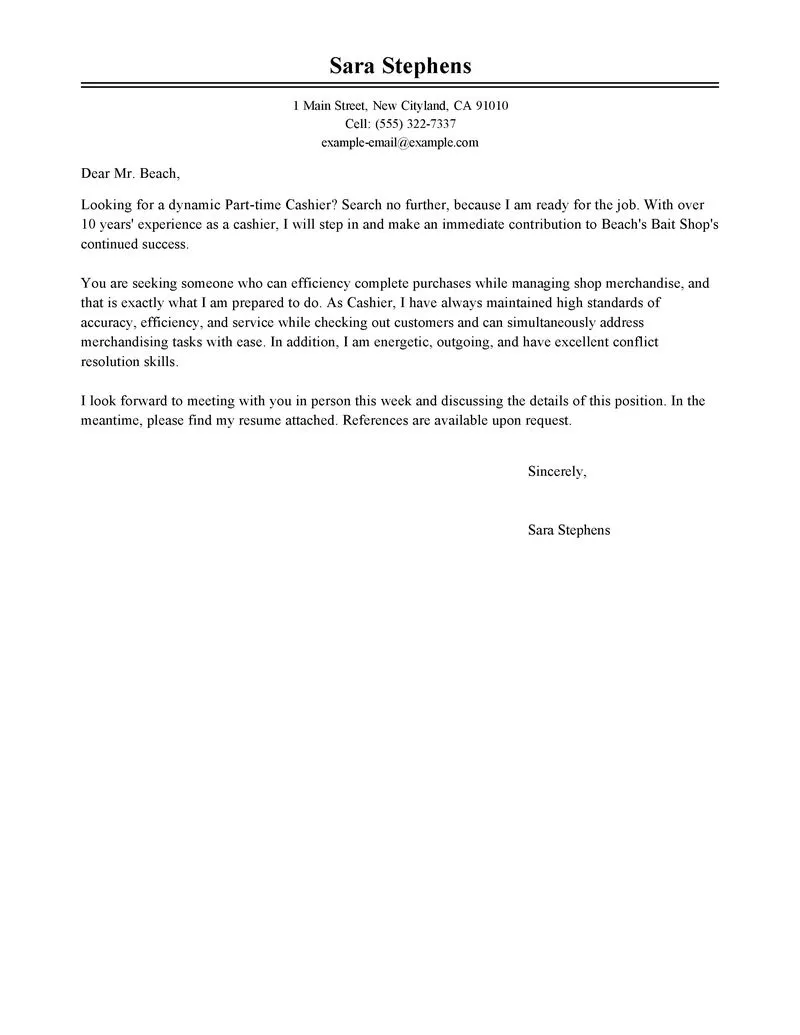
Crafting a Compelling Retail Cashier Cover Letter
A well-crafted retail cashier cover letter is your first opportunity to make a positive impression on a potential employer. It’s your chance to showcase your skills, experience, and enthusiasm for the position. A strong cover letter can significantly increase your chances of getting an interview and landing the job. This guide will walk you through the essential components of a winning cover letter, helping you stand out from other applicants and get hired as a retail cashier. Remember, your cover letter isn’t just a formality; it’s a powerful tool for personal branding, highlighting your value and suitability for the role, and making the hiring manager excited to know more about you.
Understanding the Importance of a Cover Letter
Many applicants underestimate the importance of a cover letter, but it’s a crucial part of the application process. A cover letter provides context to your resume, allowing you to explain why you’re the perfect fit for the job and why you’re interested in the company. It offers an opportunity to elaborate on your skills and experiences, connect with the hiring manager on a personal level, and demonstrate your communication skills. Furthermore, a cover letter showcases your professionalism and attention to detail. Taking the time to write a tailored cover letter shows employers that you’re serious about the position and willing to go the extra mile, setting you apart from those who only submit a resume.
Highlighting Relevant Skills

Your cover letter should focus on the skills and experiences that are most relevant to the retail cashier position. This is where you can demonstrate your value and how you can contribute to the company’s success. Start by identifying the key skills the employer is looking for in the job description. Then, tailor your letter to highlight the skills you possess, providing specific examples of how you’ve used them in the past to achieve positive results. Make sure to showcase your strengths in a way that resonates with the employer. This approach immediately grabs the hiring manager’s attention and makes them more inclined to give your application a closer look.
Essential Skills for Retail Cashiers
Retail cashier positions require a blend of technical and soft skills to excel. When writing your cover letter, be sure to highlight your abilities in these areas. These skills are essential for handling transactions, providing excellent customer service, and ensuring store operations run smoothly. Highlighting your aptitude in these areas will demonstrate to the hiring manager that you possess the necessary skillset to succeed in the role. Emphasize your experience with cash registers, point-of-sale systems, and handling cash accurately. Mention any experience in processing different payment methods, such as credit cards, debit cards, and mobile payments. Focus on your ability to quickly and accurately process transactions to minimize wait times for customers.
Soft Skills for Cashiers
Soft skills are equally crucial for retail cashiers. These skills determine how effectively you interact with customers and colleagues. They can make a substantial difference in your job performance. Highlight your excellent communication skills, which involve both active listening and clear articulation. Retail cashiers must be friendly, approachable, and able to address customer inquiries effectively. Showcase your ability to remain calm and composed, particularly when dealing with difficult customers. Also, highlight your ability to work as part of a team, including assisting colleagues and working together to achieve common goals. Strong soft skills can substantially improve the customer experience.
Quantifying Achievements

Whenever possible, quantify your achievements to make your cover letter more impactful. Rather than simply stating you have experience in customer service, provide specific examples that showcase the positive results you’ve achieved. Mention the number of customers you served daily, any positive feedback you received, or any awards or recognition you earned. Use numbers to highlight your accomplishments and demonstrate your ability to make a tangible impact. For instance, ‘Successfully processed an average of 100 transactions per shift with 99% accuracy’. When you quantify your achievements, you give concrete evidence of your skills and your potential value to the employer. This will make your application stand out significantly.
Formatting Your Cover Letter
The format of your cover letter is critical for making a strong first impression. A well-formatted letter is easy to read, professional, and reflects your attention to detail. Poor formatting can make your letter look unprofessional. Always use a professional font, such as Times New Roman, Arial, or Calibri, and maintain a font size between 11 and 12 points. Use clear and concise language throughout your letter, keeping paragraphs relatively short and easy to digest. Ensure there is sufficient white space between paragraphs and sections to improve readability. Proper formatting will allow the hiring manager to quickly grasp the essential points of your cover letter, showing them you are capable and professional.
Contact Information and Salutation
Your cover letter should begin with your contact information, including your full name, phone number, email address, and optionally, your LinkedIn profile URL. Be sure that the email address you use is professional and appropriate. Following your contact information, include the date and the hiring manager’s name and title (if you know it). Address the hiring manager directly using ‘Dear Mr./Ms./Mx. [Last Name]’ if possible. If you don’t know the hiring manager’s name, use a more general salutation such as ‘Dear Hiring Manager’. Avoid using generic greetings like ‘To Whom It May Concern’ as it is impersonal and can make your letter appear generic. This sets a professional tone for your letter and shows that you are prepared to find out the name of the hiring manager.
Body Paragraphs Structure

The body paragraphs are the core of your cover letter. They should be structured to showcase your skills, experience, and enthusiasm for the position. Organize your body paragraphs logically, usually with three to four paragraphs. Each paragraph should focus on a specific point, such as highlighting a relevant skill, providing a specific example, or expressing your interest in the company. Aim to create a smooth flow between paragraphs, making your letter easy to follow and engaging. Use concise sentences and active voice to keep the reader engaged and make your points clear. By organizing your content logically, you can create a compelling narrative that helps you get hired.
Writing an Effective Opening
The opening paragraph is your first chance to capture the hiring manager’s attention. Start with a strong hook that immediately conveys your interest in the position and the company. Mention the specific retail cashier role you are applying for and where you found the job posting. Briefly state why you are interested in the role and what makes you a good fit. Avoid generic statements such as ‘I am writing to express my interest’. Be direct, enthusiastic, and specific about your interest in the role and the company. A compelling opening makes the hiring manager eager to read the rest of your letter. In the opening paragraph, show why you’re a great candidate.
Highlighting Your Interest and Enthusiasm
Your cover letter should communicate your genuine enthusiasm for the retail cashier position and the company. Show that you understand the company’s mission, values, and brand. Discuss any experience you may have interacting with customers, handling money, and working in a fast-paced environment. Include specific examples of why you are excited about the role and what you can bring to the team. Doing so will demonstrate that you are genuinely interested in the position. Express your passion for providing excellent customer service and your eagerness to contribute to the company’s success. This will increase your chances of making the hiring manager’s shortlist.
Showcasing Skills and Experience

The bulk of your cover letter should highlight your relevant skills and experience. Use the job description to identify the key requirements and tailor your letter accordingly. Provide specific examples to illustrate how you have used those skills to achieve positive results in the past. Describe your experience with cash registers, point-of-sale systems, and handling cash accurately. Highlight any experience in processing different payment methods. Quantify your achievements whenever possible, such as the number of transactions you processed per day or the amount of money you handled with accuracy. Explain how your previous experiences align with the responsibilities of the retail cashier position, providing concrete evidence of your abilities.
Concluding Your Letter
The concluding paragraph should summarize your interest in the position and reiterate your value to the company. Thank the hiring manager for their time and consideration. Express your eagerness to learn more about the opportunity and your availability for an interview. End your letter with a professional closing, such as ‘Sincerely,’ or ‘Best regards,’ followed by your name. Proofread this section carefully to ensure there are no errors. A well-written conclusion leaves a lasting impression and encourages the hiring manager to take action. This ensures the hiring manager will contact you for an interview.
Proofreading and Editing
Proofreading and editing your cover letter is essential to ensure it is free of errors. Misspelled words, grammatical errors, and typos can make you appear careless. Before submitting your cover letter, carefully review it for any mistakes. Use a spell checker, but don’t rely on it completely, as it may not catch all errors. Read your letter out loud to catch any awkward phrasing or inconsistencies. Ask a friend or family member to proofread your letter for a second opinion. Take your time and don’t rush this step. A polished cover letter shows attention to detail and professionalism.
Customizing Your Cover Letter
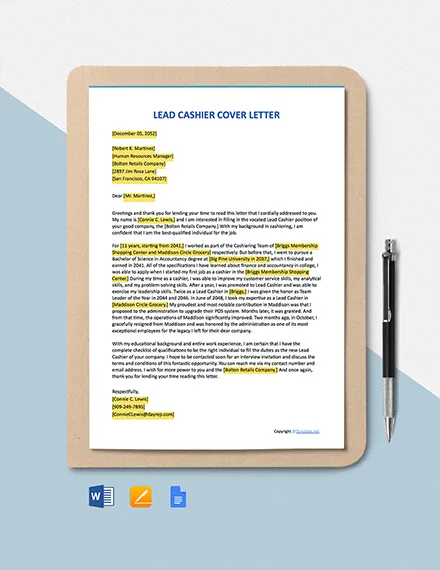
One of the most common mistakes applicants make is sending out generic cover letters. To significantly increase your chances of getting hired, you need to customize your cover letter for each job application. This means tailoring your letter to the specific requirements of each position and company. Customization shows the hiring manager that you have taken the time to research the company and that you are genuinely interested in the role. It demonstrates that you are not just sending out a mass application. Customize each cover letter to make it relevant to the specific job and show how your skills and experience align with their needs.
Researching the Company
Before writing your cover letter, research the company thoroughly. Visit the company’s website to learn about its mission, values, and products or services. Check out their social media presence to understand their brand and culture. Review the job description carefully to identify the specific skills and experience the employer is looking for. Understanding the company and its needs will allow you to tailor your cover letter. Mention specific aspects of the company that interest you, showing that you have done your homework and are genuinely interested in the opportunity. This will prove to the hiring manager that you want to be part of their team.
Tailoring the Cover Letter
Once you’ve researched the company, it’s time to tailor your cover letter. Use the job description as a guide to identify the key skills and experiences the employer is seeking. Highlight the skills and experiences that align with the job requirements, providing specific examples to illustrate your abilities. Personalize your letter by mentioning the company’s name, demonstrating your knowledge of its products or services. Show that you have thought about how your skills and experience can contribute to the company’s success. A customized cover letter will prove that you are a great fit for the company.
Using Keywords

Use keywords from the job description in your cover letter. Many companies use Applicant Tracking Systems (ATS) to scan resumes and cover letters for relevant keywords. By including keywords, you increase the chances of your application being selected for review. Identify the keywords in the job description and strategically incorporate them into your cover letter. Use these keywords naturally and avoid keyword stuffing. Highlighting the relevant keywords will make your cover letter more noticeable and increase your chances of getting noticed. This helps the hiring manager quickly see that you possess the skills and experience they are looking for.
Writing a compelling retail cashier cover letter requires careful planning and attention to detail. By following these guidelines, you can create a cover letter that effectively showcases your skills, experience, and enthusiasm for the position. Remember to tailor your letter to each specific job application and to proofread it carefully before submitting. Good luck with your job search!