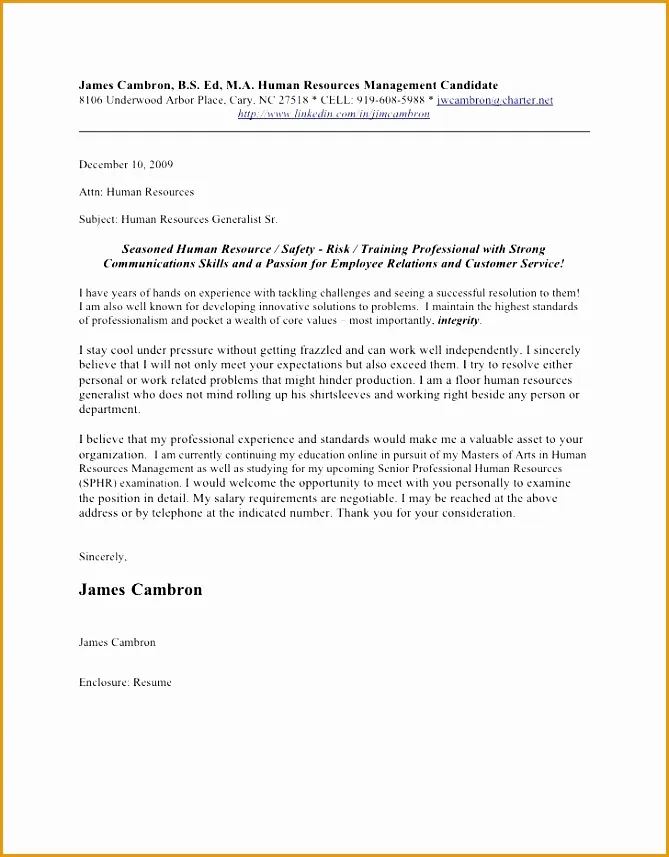
What are Salary Expectations Cover Letter?
A salary expectations cover letter is a document you send to a potential employer alongside your resume, detailing your desired salary range or specific salary requirements for the position. It serves as a crucial part of the job application process, where you showcase your professional skills, experience, and the value you can bring to the company. Including salary expectations in your cover letter gives the employer an understanding of your financial needs and expectations, and it allows them to determine if they can meet those expectations. Preparing a well-crafted cover letter demonstrates your professional approach and serious interest in the job, increasing your chances of getting an interview.
Why Include Salary Expectations?
Including salary expectations in your cover letter is important because it initiates a crucial discussion with the potential employer right away. It shows that you have researched the role, have a realistic idea of the market value of your skills and experience, and are proactive about your financial requirements. Mentioning salary expectations at the beginning helps save time for both parties, as it helps employers quickly assess if your expectations align with their budget, avoiding an interview if there is a mismatch. This can also indicate you have a clear understanding of your value and the job market, highlighting your negotiation skills. Furthermore, it shows your commitment to transparency and open communication from the onset of your application.
Where to Put Salary Expectations
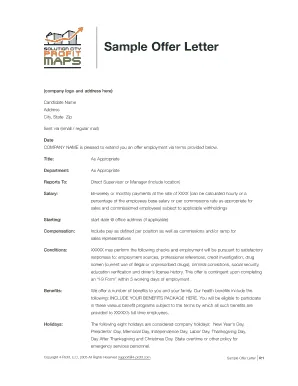
The placement of salary expectations in your cover letter can influence its overall impact. While there are differing opinions, the goal is to present the information without appearing demanding or unaccommodating.
At the Beginning of the Cover Letter
This approach can be effective when the job posting specifically requests salary requirements or when you’re very confident in your worth. It allows the hiring manager to immediately know if you’re within budget. Start by thanking the hiring manager for their time, express your interest in the role, and mention your salary expectations in the first or second paragraph. Be sure to justify your salary needs, referencing your skills, experience, and the value you’ll bring.
In the Middle of the Cover Letter
This position is often considered a balanced approach. After introducing yourself and briefly highlighting your qualifications, you can segue into your salary expectations. This allows you to frame your salary needs within the context of what you offer the company, such as how your experience aligns with their needs. It’s a good strategy if you want to establish your value before discussing salary, as it can prevent you from appearing overly focused on compensation too early in the application.
At the End of the Cover Letter

Placing salary expectations at the end is ideal if you want to focus more on your qualifications initially and address salary later. It is often used when the job description asks for salary expectations or if you have a strong conviction about your value. End with a professional closing statement expressing your enthusiasm and providing a brief note about your salary expectations or stating that you are open to discussion, depending on the level of flexibility you have.
How to Phrase Salary Expectations
The wording you use to express your salary expectations can have a significant impact on how an employer perceives you. It’s crucial to strike a balance between professionalism and clarity. Focus on your value and be specific without being too rigid. Here are tips on how to effectively phrase your salary requirements.
Be Specific with Salary Expectations
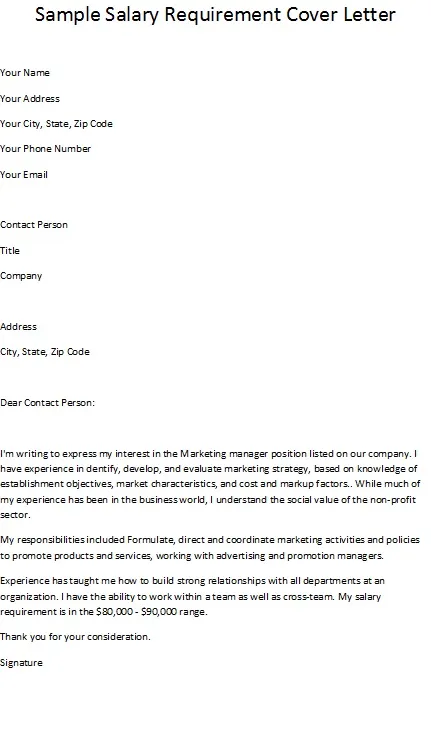
When possible, provide a specific salary range rather than a general statement. Research the industry standards for the position and your experience level. For instance, you could say ‘My salary expectations are in the range of $X to $Y annually,’ which shows flexibility while providing a clear understanding of your needs. Make sure to specify the currency and the frequency (e.g., yearly, monthly), this detail makes your needs clear.
Be Realistic with Salary Expectations

Base your expectations on current market rates, your experience, and your skills. It’s essential to balance your value with a realistic understanding of what the employer can offer. Overstating your expectations may lead to the application being rejected, while understating may leave you feeling underpaid. Do your research, check job boards, and consult salary calculators to gain insights on salary expectations, and provide an honest assessment of your worth.
What to Do if the Salary is Flexible
If you’re open to negotiating, or if the job description implies some flexibility in the salary, frame your expectations accordingly. This conveys your adaptability and willingness to come to a mutually beneficial agreement.
What to Do if the Salary is Unknown
If the salary range is not listed in the job posting, it’s appropriate to address this with some degree of flexibility. The aim is to show that you are open to discussion but also to set the stage for an equitable negotiation. This way you can express your interest in the role without appearing too focused on salary.
Common Mistakes to Avoid
While including salary expectations is important, avoiding certain mistakes can significantly increase your chances of success. These mistakes may reflect poorly on your professional judgment and can potentially undermine your application.
Overstating the Expectations
Setting your expectations too high is a common mistake. This can lead to immediate rejection. If your requirements are significantly higher than what the company budgets for, your application may be discarded. Always research industry standards and be realistic about your value to ensure that your expectations align with the current market.
Being Vague About Expectations
On the other hand, being overly vague can be just as problematic. Saying ‘I am open to negotiation’ is not enough. While flexibility is good, potential employers appreciate some clarity. It’s usually best to provide a salary range to offer them a specific understanding of your expectations. Even if you aren’t sure about the specific figures, make sure you’ve done enough research, and provide a reasonable approximation.
Ignoring Salary Expectations

Failing to address salary expectations when asked in the job description is a missed opportunity. It shows a lack of attention to detail or lack of interest in the role. If the posting specifically asks for salary requirements and you don’t address it, you can be seen as not following instructions or not taking the opportunity seriously. In those cases, always address the request.
Conclusion
Effectively addressing salary expectations in your cover letter is an important part of the job application process. By including a well-thought-out salary range, you not only showcase your knowledge and professionalism, but also set the tone for your professional future. Always balance transparency with flexibility and a clear demonstration of your value, and you’ll improve your chances of securing your dream job. Remember to tailor your cover letter to the specific job and company, and to always do your research.