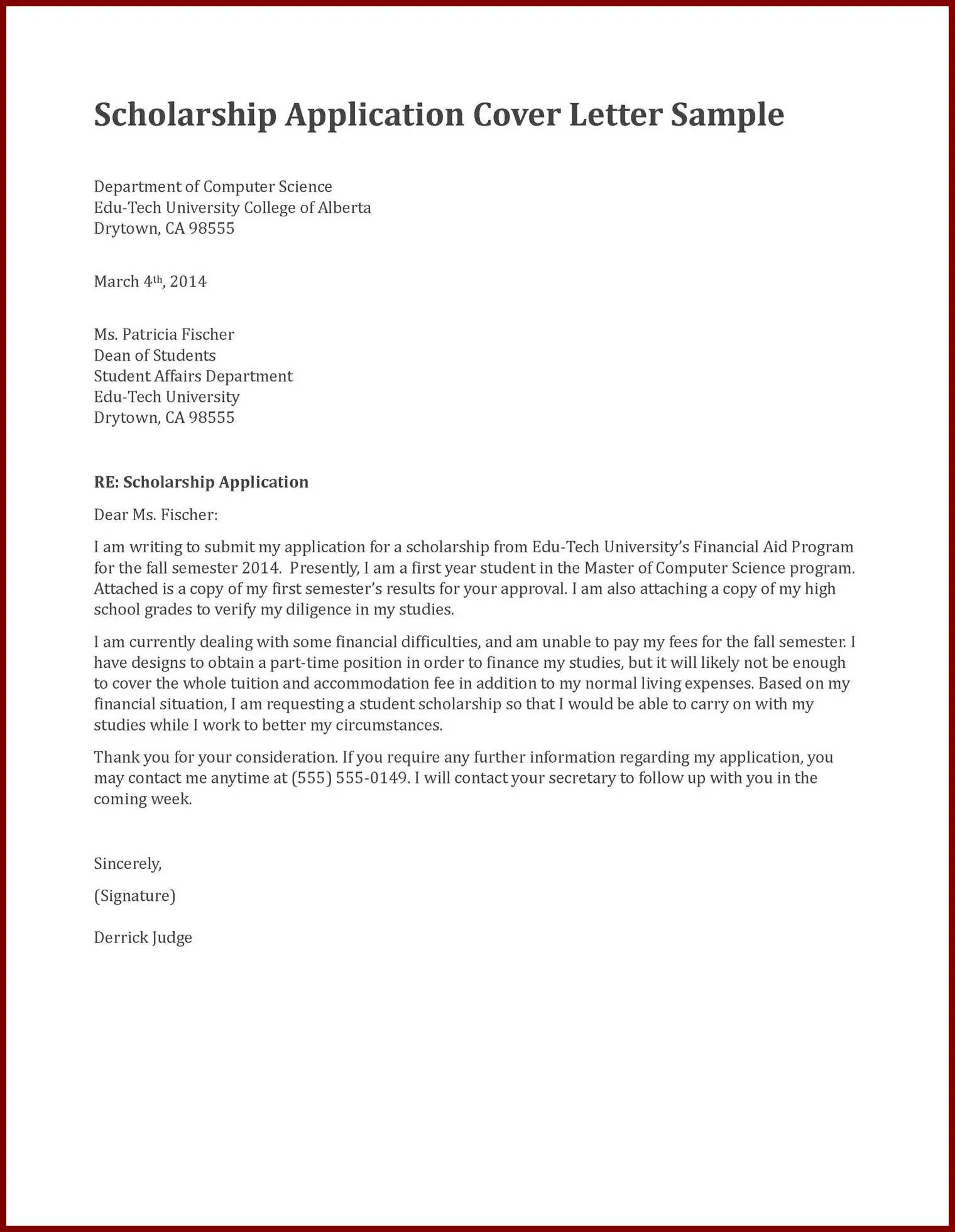
Understanding the Scholarship Cover Letter Importance
A well-crafted scholarship cover letter is more than just a formality; it’s your opportunity to make a lasting impression on the scholarship committee. It provides context to your application, allowing you to showcase your personality, aspirations, and suitability for the scholarship. It’s a chance to connect with the selection committee on a personal level, differentiating you from the numerous other applicants. A strong cover letter can significantly increase your chances of securing the scholarship, acting as a pivotal element that helps them understand who you are beyond the numbers and statistics. This is your platform to articulate your story and highlight why you deserve the scholarship, making your application stand out from the crowd.
Why a Cover Letter Matters for Scholarships
Scholarships often receive a high volume of applications. A cover letter serves as the perfect way to personalize your application and show the committee why you are the ideal candidate. It gives you a chance to explain any gaps in your academic record, elaborate on experiences, and demonstrate your passion for your field of study. It also offers a valuable opportunity to reiterate your dedication to your academic and personal goals. The cover letter allows you to go beyond the application form and truly connect with the selection committee. It’s a critical tool in making sure you show the committee what makes you different.
Making a Strong First Impression
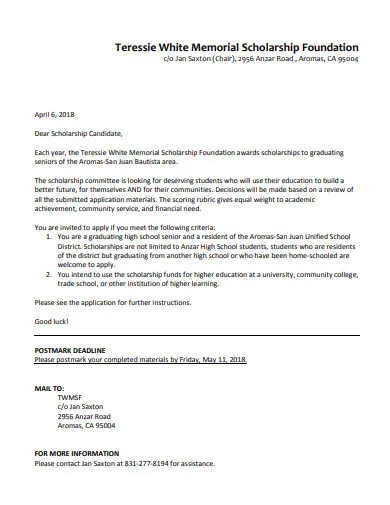
The opening of your cover letter sets the tone for the rest of your application. Begin by clearly stating the scholarship you’re applying for and how you learned about it. Immediately capture the committee’s attention by expressing your enthusiasm for the opportunity and briefly highlighting what makes you an exceptional candidate. A strong introduction should be concise, confident, and compelling. It should clearly state your intentions while piquing the reader’s interest in learning more about you. A well-crafted opening sentence can be the difference between your application being read carefully or quickly set aside.
Key Components of a Scholarship Cover Letter
A successful scholarship cover letter includes several key components that must be addressed meticulously. Each part of the letter plays a crucial role in presenting you as a well-rounded and deserving candidate. These components work together to paint a comprehensive picture of who you are, your aspirations, and your qualifications for the scholarship. Understanding these sections allows you to craft a letter that is both informative and persuasive. Remember to include all the necessary sections while maintaining conciseness and clarity.
Your Contact Information and Date
Start your cover letter with your complete contact information at the top. Include your name, address, phone number, and email address. This should be followed by the date. Ensure that all your contact information is accurate and up to date, as this is how the scholarship committee will reach you. Proper formatting and attention to detail in this section set a professional tone and make it easy for the committee to contact you. This is an easy but essential step to ensure your application is complete and professional.
Addressing the Scholarship Committee

Always address the scholarship committee by name if possible. If you can find the name of the committee chair or the person responsible for reviewing applications, use it. Addressing your letter to a specific individual shows that you have done your research and are taking the application process seriously. If you cannot find a specific name, use a general greeting like “Dear Scholarship Committee.” Avoid generic greetings such as “To Whom It May Concern” if you want to make a more personal approach.
Crafting a Compelling Opening Paragraph
The opening paragraph is your first chance to capture the attention of the committee. Start with a strong statement that grabs their interest. Briefly state why you are writing, the scholarship you are applying for, and your major. Highlight one or two key achievements or qualities that make you a strong candidate. Convey enthusiasm and clearly state your intent to pursue the scholarship, while also making sure you meet the criteria and share your interests. Keep the opening paragraph concise and engaging.
Highlighting Your Achievements
This section is where you elaborate on your qualifications and achievements. Provide specific examples of your accomplishments, demonstrating how you align with the scholarship’s criteria. Use concrete examples to showcase your skills, experiences, and dedication. Focus on achievements that are relevant to the scholarship and your future goals. Quantify your achievements whenever possible, using numbers and data to illustrate the impact of your work.
Academic Excellence

Mention your GPA, academic awards, and any relevant courses you have taken. Provide details about your academic achievements and how they have prepared you for your future studies. Describe any projects or research you have participated in, highlighting your skills and abilities. Emphasize your commitment to academic excellence and show how your accomplishments align with the scholarship’s objectives. Be specific about your academic experiences and achievements, showing the committee the quality of your work.
Extracurricular Activities and Leadership
Discuss your involvement in extracurricular activities and leadership positions. Describe any clubs, organizations, or teams you are a part of and the roles you have held. Highlight any leadership roles you have taken on and the skills you have developed. Explain how your involvement has contributed to your personal growth and development. Mention awards or recognition you have received for your extracurricular involvement. These activities demonstrate your ability to manage time, work in teams, and take initiative.
Community Involvement and Volunteer Work
Describe your volunteer experiences and community involvement. Detail any organizations you have worked with and the contributions you have made. Explain how your volunteer work has impacted your personal and professional goals. Highlight any skills you have gained through these experiences and how they have shaped your character. This section underscores your commitment to giving back to the community and demonstrates your compassion for others. Include the number of hours you have volunteered, if possible.
Demonstrating Your Financial Need

Some scholarships consider financial need as a crucial factor. If applicable, explain your financial situation with honesty and clarity. Be transparent about any challenges you face and how the scholarship would help you. This section is about showing that you are deserving of financial assistance. Be sure to provide a clear picture of your financial situation.
Explaining Your Financial Circumstances
Briefly explain your financial situation and any hardships you may be facing. This could include family income, expenses, and any specific financial constraints. Share any details that show your need for the scholarship. Be truthful and concise in your explanation. Provide context so the committee understands your circumstances. Consider the types of costs related to the scholarship program and explain how receiving the scholarship will benefit you.
Quantifying Your Need
Provide specific numbers to illustrate your financial need. If possible, mention the cost of tuition, living expenses, and other educational costs. Explain how the scholarship funds will be used and the impact it will have on your education. Show how the scholarship would alleviate financial burdens and enable you to focus on your studies. Provide clear, quantifiable details to enhance your case. Be as specific as possible, as this gives the committee a clear understanding of your situation.
Expressing Gratitude and Closing

Your conclusion is your final opportunity to express your gratitude and reiterate your interest in the scholarship. Make a strong closing statement that leaves a positive impression. This section is essential in wrapping up your cover letter and ensuring you leave a lasting impact on the scholarship committee. It allows you to express your sincere appreciation and reinforces your desire to obtain the scholarship.
Thanking the Committee for Their Time
Start by thanking the scholarship committee for considering your application. Express your appreciation for their time and attention. Show respect for the committee and the opportunity. This is a standard professional courtesy and demonstrates your politeness and appreciation.
Reiterating Your Interest
Reiterate your strong interest in the scholarship and why you believe you are a good fit. Briefly summarize your key qualifications and goals. Restate your commitment to your academic and personal aspirations. This reinforces your desire to secure the scholarship. Briefly remind the committee of why you are a deserving candidate and what you hope to achieve with their support.
Providing Contact Information
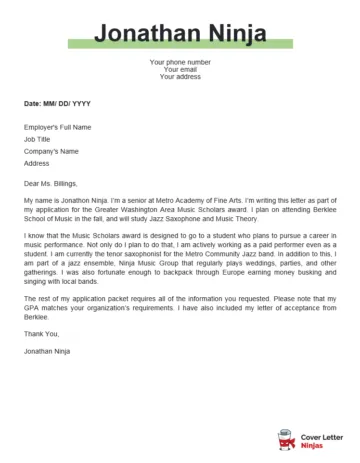
End your letter by restating your contact information. Include your name, email address, and phone number. This makes it easy for the committee to contact you. Provide a clear call to action to encourage the committee to reach out. Thank them one last time for their consideration and close with a professional salutation. Ensure all information is accurate, up to date, and easy to find.
Proofreading and Editing Your Cover Letter
Before submitting your cover letter, it is crucial to proofread and edit it meticulously. Errors in grammar, spelling, and punctuation can undermine your application. A polished cover letter shows attention to detail and professionalism. Thoroughly review your letter to ensure it accurately reflects your qualifications and aspirations.
Ensuring Accuracy and Clarity
Check for any errors in grammar, spelling, and punctuation. Ensure all your information is accurate and up to date. Read your letter aloud to identify any awkward phrasing or unclear sentences. Use a grammar checker and spell checker as an aid. Always have a second person review your letter. This can help catch any errors you may have missed and gives you a fresh perspective.
Using a Professional Tone
Maintain a professional and respectful tone throughout your cover letter. Avoid slang, informal language, and excessive use of exclamation points. Write in a clear, concise, and confident manner. Use professional formatting, such as a standard font and font size. Ensure the overall tone of your letter reflects your seriousness and commitment to your application. The tone of your cover letter sets the overall impression of your application.