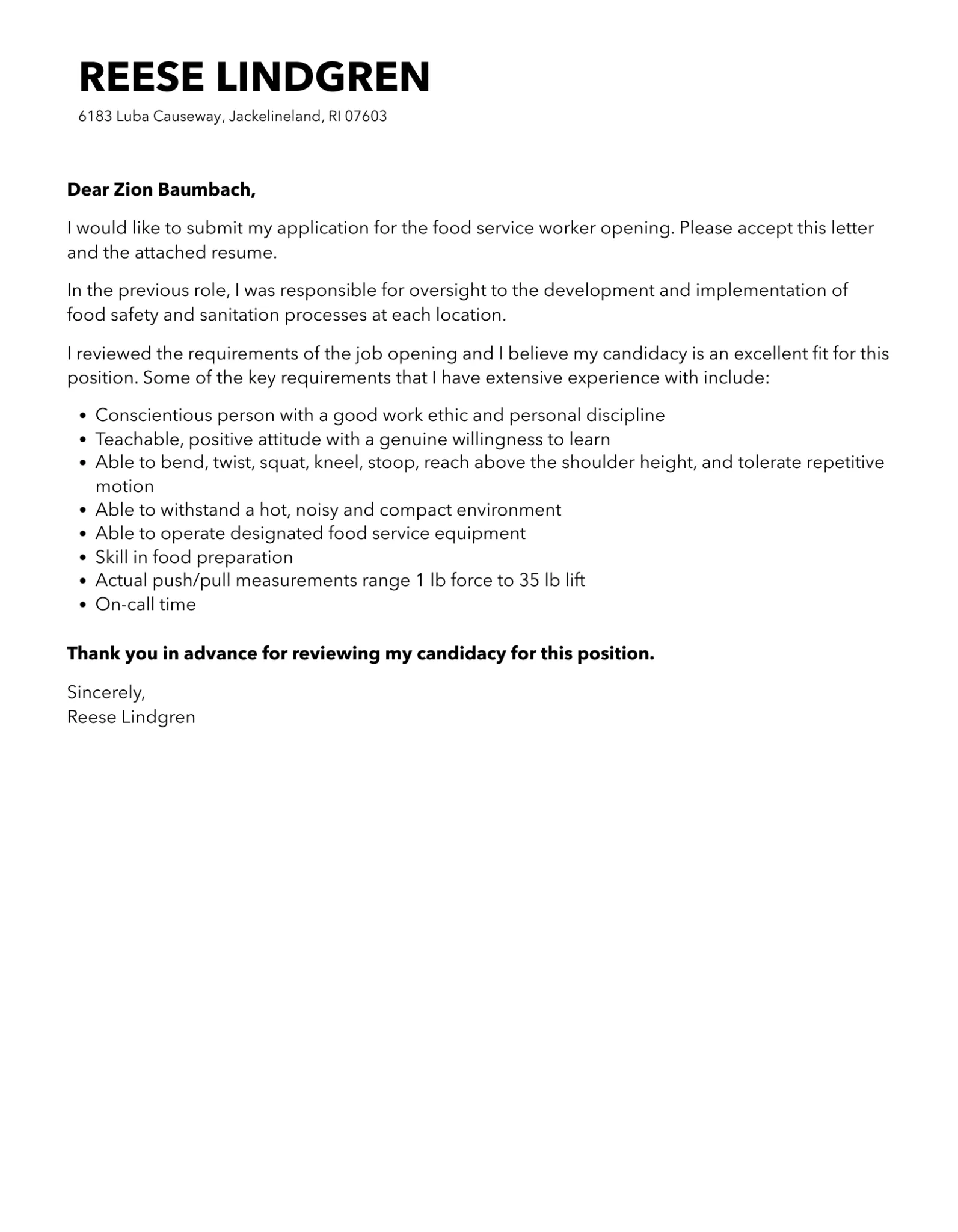
A serving cover letter is your first impression, the initial handshake that determines whether you get a chance to showcase your skills in person. It’s a critical tool in the competitive world of hospitality, where enthusiasm, skill, and the ability to connect with people are paramount. This guide will provide seven essential tips to help you craft a cover letter that not only highlights your qualifications but also makes you shine, giving you the best possible chance to land your dream serving job. Mastering these tips will significantly improve your application and help you stand out from the crowd.
Highlighting Your Skills for Serving
Your cover letter should be a showcase of the skills that make you an excellent server. Employers want to see that you possess the necessary attributes to succeed in a fast-paced, customer-centric environment. Focus on demonstrating how your skills align with the specific requirements of the job and the restaurant’s values. Don’t just list your skills; provide concrete examples of how you’ve used them to achieve positive outcomes in previous roles. Use action verbs and quantifiable results to make your accomplishments more impactful and memorable. This section is about proving that you have the necessary skills to deliver exceptional service, ensuring customer satisfaction, and contributing to a positive team environment.
Customer Service Skills
Customer service is the heart of any serving role. Detail your ability to handle customer inquiries, resolve complaints, and create positive dining experiences. Mention any specific training or certifications you have in customer service or conflict resolution. Describe instances where you went above and beyond to assist a customer or turned a negative situation into a positive one. Emphasize your patience, empathy, and ability to maintain a professional demeanor even under pressure. Show your potential employer that you understand the importance of building relationships and making customers feel valued and respected, as this directly influences repeat business and the restaurant’s reputation.
Communication Skills

Effective communication is essential for taking orders accurately, addressing customer needs, and coordinating with kitchen staff. Highlight your verbal and non-verbal communication abilities, including active listening, clear articulation, and the ability to convey information concisely. Mention any experience you have with different communication styles or languages, which can be a significant asset in diverse dining environments. Provide examples of how you’ve used your communication skills to improve customer satisfaction or resolve misunderstandings. Being able to communicate clearly and effectively ensures smooth service and helps build rapport with both customers and colleagues.
Teamwork and Collaboration
Serving is a team sport. Showcase your ability to work well with others, support your colleagues, and contribute to a positive work environment. Describe instances where you’ve collaborated with others to solve a problem or improve service efficiency. Mention any experience you have with training new staff or mentoring colleagues. Highlight your willingness to assist others and your understanding of the importance of shared responsibility. Your cover letter should demonstrate that you are a team player, capable of contributing to a collaborative and efficient workplace, ensuring a harmonious atmosphere and streamlined operations.
Tailoring Your Cover Letter
Generic cover letters rarely impress hiring managers. Tailoring your letter to each specific job application is crucial. This demonstrates that you’ve taken the time to understand the restaurant’s needs and are genuinely interested in the position. Research the restaurant, identify its values, and align your skills and experience with their specific requirements. This personalized approach shows your commitment and increases your chances of making a positive impression. Tailoring your cover letter is about showing you care enough to go the extra mile, which sets you apart from candidates who rely on generic templates.
Researching the Restaurant

Before you start writing, learn as much as you can about the restaurant. Visit their website, check out their social media pages, and read online reviews. Understand their menu, their ambiance, and their target audience. This knowledge will help you customize your cover letter to reflect your understanding of their brand and values. Use this information to highlight how your skills and experience align with the restaurant’s unique characteristics. By demonstrating your familiarity with their establishment, you show the hiring manager that you are genuinely interested in working there.
Addressing the Hiring Manager
Whenever possible, address your cover letter to a specific person, rather than using a generic greeting. Research the hiring manager’s name and title. Addressing your letter to an actual person shows initiative and attention to detail. If you can’t find a name, use a professional salutation like “Dear Hiring Manager.” Avoid generic greetings like “To Whom It May Concern.” Personalizing your letter, even with the correct name, helps make a stronger connection and demonstrates your commitment to the opportunity. This personalization can significantly increase the likelihood of your application being noticed and remembered.
Formatting and Structure
A well-formatted cover letter is easy to read and professional in appearance. Use a clear, legible font and maintain consistent formatting throughout. Keep the letter concise, typically no more than one page. Divide your letter into distinct sections, such as an introduction, skills summary, experience highlights, and a conclusion. Use bullet points or numbered lists to make key information stand out. Ensure there is sufficient white space to avoid a cluttered appearance. Proper formatting helps the hiring manager quickly grasp your qualifications and shows that you pay attention to detail.
Showcasing Relevant Experience

Your cover letter should highlight your relevant experience, focusing on accomplishments rather than just listing job duties. Use action verbs to describe your responsibilities and achievements in previous serving roles. Quantify your accomplishments whenever possible; for example, mention the percentage increase in customer satisfaction scores or the average tip amount you received. Provide specific examples of how you handled challenging situations, exceeded expectations, or contributed to the success of the restaurant. Show the hiring manager that you’ve not only worked in the industry but also excelled in it.
Previous Serving Roles
Detail your experience in previous serving roles, including the names of the restaurants, your job titles, and the dates of your employment. Briefly describe your responsibilities and focus on the key skills you utilized, such as taking orders, serving food and beverages, and handling customer payments. Highlight any special training or certifications you’ve received, such as bartending certifications or food safety training. Make sure to mention any awards or recognition you received. The goal is to provide a snapshot of your relevant work history, demonstrating your ability to perform the duties of a server.
Handling Pressure and Challenges
Serving can be demanding. Describe how you’ve handled high-pressure situations, such as busy shifts or customer complaints. Provide specific examples of how you maintained your composure, resolved issues effectively, and ensured customer satisfaction. Mention your ability to prioritize tasks, manage multiple orders, and work efficiently under stress. Demonstrating your ability to handle challenges is a crucial aspect of a serving cover letter, as it shows that you can thrive in the demanding environment of a restaurant.
Quantifying Achievements

Whenever possible, quantify your achievements to make your impact more tangible. For example, state the average tip percentage you received, the number of tables you served per shift, or any positive feedback you consistently received from customers. If you improved efficiency, provide specific metrics, such as a reduction in order errors or an increase in table turnover rates. Quantifiable results provide concrete evidence of your skills and accomplishments, making your cover letter more compelling and memorable to the hiring manager.
Expressing Enthusiasm and Personality
A great cover letter conveys your genuine enthusiasm for the serving role and your personality. Show your excitement about the opportunity to work at the restaurant. Let your personality shine through your writing style. This is a chance to demonstrate that you are not only qualified but also a great fit for the restaurant’s culture. Your enthusiasm will help you stand out from other applicants who may lack the same level of excitement and genuine interest in the role and the company.
Demonstrating Passion for Hospitality
Express your passion for hospitality. Share what you enjoy about serving, such as interacting with customers, providing excellent service, or being part of a team. Discuss what motivates you and what you hope to achieve in your role. This can set you apart from other candidates. The more you can communicate your passion, the better. Showing your genuine excitement for the hospitality industry will make your cover letter more engaging and increase your chances of making a positive impression.
Adding a Personal Touch

While maintaining a professional tone, add a personal touch to your cover letter. Share a brief anecdote about a memorable experience you’ve had in a serving role, or mention something specific that attracted you to the restaurant. This can help you connect with the hiring manager on a personal level and make your letter more memorable. Adding a personal touch shows you’re more than just a list of skills, it demonstrates genuine interest and makes your application stand out from the rest. Make your letter uniquely yours.
Proofreading and Editing
Before you submit your cover letter, carefully proofread and edit it for any errors in grammar, spelling, and punctuation. A polished, error-free cover letter demonstrates professionalism and attention to detail. Mistakes can undermine your credibility and make a negative impression. Ensure your cover letter is clear, concise, and easy to read. Having a second pair of eyes review your letter can be extremely beneficial in catching any overlooked errors. Taking the time to proofread and edit is a small but crucial step in ensuring your application is successful.
Checking for Grammar and Spelling
Carefully review your cover letter for any grammatical errors and spelling mistakes. Use a grammar checker and spell checker, but don’t rely on them entirely. Read the letter aloud to catch any awkward phrasing or sentences. Ensure that all words are spelled correctly and that your grammar is flawless. Errors can make your cover letter appear unprofessional and can distract the hiring manager from your qualifications. A well-written, error-free letter showcases your attention to detail and commitment to excellence.
Ensuring Clarity and Conciseness
Keep your cover letter clear, concise, and easy to understand. Avoid using overly complex language or jargon. Get to the point quickly and focus on the most relevant information. Use short, impactful sentences and paragraphs. Ensure that your writing is easy to follow and that your key qualifications are immediately apparent. Clear and concise writing will make your cover letter more engaging and ensure that the hiring manager can quickly grasp your value as a potential employee.
By following these seven tips, you can create a serving cover letter that shines. Focus on highlighting your skills, tailoring your letter to the specific job and restaurant, showcasing your relevant experience, expressing your enthusiasm, and proofreading carefully. A well-crafted cover letter is your chance to make a strong first impression and secure an interview. Good luck with your job search!