What Makes Strong Cover Letter Samples Effective?
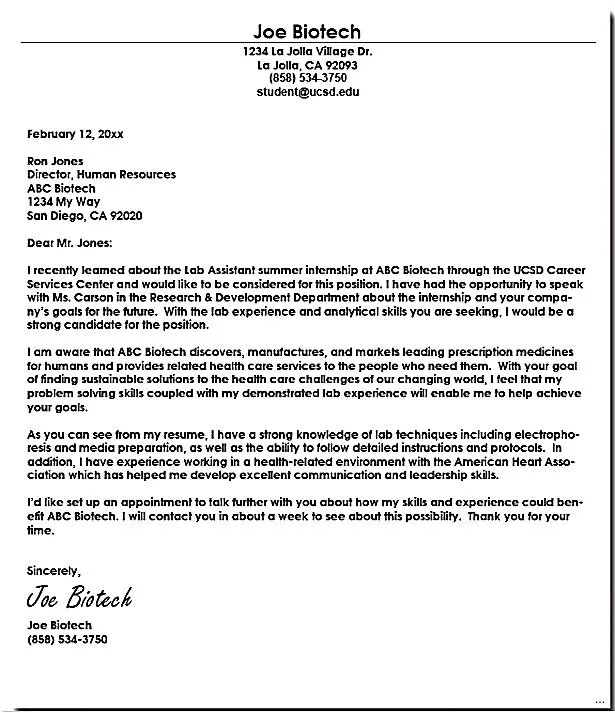
A strong cover letter sample is more than just a template; it’s a blueprint for a successful job application. Effective cover letters capture the attention of hiring managers, showcase your relevant skills and experience, and ultimately convince them to invite you for an interview. Analyzing strong cover letter samples reveals several common elements. These elements are not just about following a rigid format; they are about communicating your value proposition clearly and persuasively. The best samples are customized to the specific job, demonstrate your understanding of the company’s needs, and articulate how you can contribute to their success. They also avoid common pitfalls that can immediately disqualify an applicant. Understanding what makes a cover letter sample ‘strong’ is the first step toward creating your own that stands out. The goal is to create a document that not only highlights your qualifications but also expresses your enthusiasm for the opportunity and the company. Remember that a well-crafted cover letter can significantly increase your chances of landing an interview, even if your resume is not perfect.
Key Components of Strong Cover Letter Samples
The most effective cover letter samples share several key components that work together to create a compelling document. These elements include a professional header, a personalized greeting, a compelling opening paragraph, persuasive body paragraphs that showcase your value, and a strong closing statement. Each of these sections plays a crucial role in communicating your qualifications and enthusiasm for the position. Ignoring any of these components will weaken your overall application. These key sections are the foundation upon which you build a persuasive argument for why you are the best candidate for the job. By carefully crafting each element and ensuring they align with the job requirements, you can significantly improve your chances of getting noticed. In addition, the consistent use of keywords from the job description can boost your chances of passing through applicant tracking systems.
Header Section Essentials

The header is the first thing a hiring manager sees, so it’s essential to get it right. It should include your full name, contact information (phone number and email address), and often, your professional title or LinkedIn profile URL. Make sure your contact details are up-to-date and easily accessible. The header should be professional and consistent with your resume’s format. The use of a clean and readable font is also important. The header’s function is to provide easy access to your contact information, allowing the hiring manager to quickly reach out to you. It can be a simple text-based section, or you can utilize a subtle design element to make it visually appealing. Regardless of the design, ensure the header is clean, clear, and consistent throughout your application package.
Personalized Greeting
Avoid generic greetings like “To Whom It May Concern.” Instead, research the hiring manager’s name and address your letter directly to them. This shows you’ve taken the time to personalize your application and shows initiative. If you can’t find the hiring manager’s name, try to find the name of the department head. Using a name, where possible, immediately personalizes your letter. This small effort can make a big difference in creating a positive first impression. This personalization tells the reader that you’re genuinely interested in the opportunity and have taken the time to do your research. It demonstrates a level of professionalism and attention to detail that hiring managers appreciate.
Compelling Opening Paragraph
Your opening paragraph is your first chance to grab the reader’s attention. Start with a strong hook that clearly states the position you’re applying for and expresses your enthusiasm. Briefly mention why you’re interested in the company and the role. A great opening paragraph summarizes your key qualifications and immediately conveys your value proposition. Do not waste time with generic introductory phrases. Instead, get straight to the point and highlight what makes you stand out. Your opening paragraph should quickly and succinctly demonstrate your interest, qualifications, and the unique value you can bring to the position. This is not the place to be modest; be direct and confident.
Body Paragraphs Showcase Your Value

The body of your cover letter is where you elaborate on your skills and experience, providing specific examples to support your claims. Focus on how your qualifications align with the job requirements. Use the job description as a guide, highlighting the skills and experiences most relevant to the role. Each paragraph should address a specific aspect of your experience. Use action verbs to describe your accomplishments and quantify your achievements whenever possible. Avoid simply restating your resume; instead, provide context and explain the impact of your actions. The body paragraphs should provide concrete examples and evidence of your capabilities. They should demonstrate how you’ve used your skills to solve problems, achieve results, and contribute to previous employers. By doing so, you are not just listing your qualifications; you are proving them.
Highlight Relevant Skills
Carefully review the job description and identify the key skills and qualifications the employer is seeking. Then, in your cover letter, highlight the skills and experiences that directly match those requirements. Use specific examples to demonstrate how you’ve used those skills in the past. Tailor your examples to the specific job. Use keywords from the job description to align with the employer’s language. Be specific and provide evidence. Don’t just say you’re a good communicator; describe a situation where you effectively communicated to achieve a positive outcome. Highlighting relevant skills showcases your understanding of the job requirements and makes it easy for the hiring manager to see you’re a good fit.
Quantify Achievements with Data
Whenever possible, quantify your achievements with data and metrics. Numbers provide concrete evidence of your impact. Instead of saying you increased sales, state by what percentage or how much revenue you generated. Use quantifiable results to demonstrate the value you brought to previous employers. Using numbers makes your accomplishments more tangible and compelling. For example, if you improved customer satisfaction, state the percentage increase. If you managed a project, mention the budget and any cost savings. This adds credibility to your claims and helps the hiring manager understand the scope of your achievements. Using data helps you to stand out from other applicants, all of whom will claim to have great skills.
Tailoring Your Cover Letter to the Job
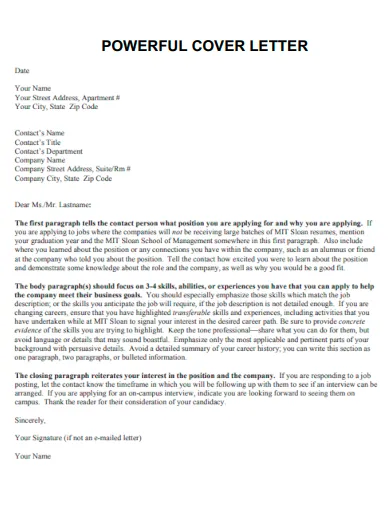
One of the biggest mistakes job seekers make is sending out a generic cover letter. A successful cover letter is tailored to each specific job and company. This means carefully reviewing the job description, researching the company, and customizing your letter to align with their needs and values. Avoid using a one-size-fits-all approach. Customization involves using the right keywords, highlighting the most relevant skills, and demonstrating your understanding of the company’s culture and goals. Your cover letter shows that you have taken the time to understand the specific requirements of the job and the company’s expectations.
Research the Company and Job Description
Before you start writing, thoroughly research the company and the specific job you’re applying for. Understand the company’s mission, values, and recent achievements. Identify the key requirements and skills listed in the job description. This research will help you customize your cover letter to address the company’s needs and demonstrate that you’re a good fit. Reading the job description carefully is critical. Note the keywords, the specific requirements, and the company’s priorities. Then, incorporate those keywords into your cover letter and address the specific needs of the role. Show that you understand the company’s culture and the challenges they face. Tailoring your letter to this extent will set you apart from other candidates.
Adapting Samples for Different Industries
Cover letter samples vary in style and tone depending on the industry and the specific job. Samples that work well for a creative role may not be effective for a more formal position. Consider the industry standards for cover letters when adapting a sample. Research the industry norms and the company culture. Tailor your language, format, and content accordingly. Ensure you understand the expectations and preferences of hiring managers within your target industry. By adapting a sample to fit the industry, you show that you understand the professional norms and can communicate effectively within that context. The more you know about the specific industry, the better you will be able to tailor your cover letter to that industry’s specific needs.
How to Close Your Cover Letter Samples

The closing of your cover letter is your final chance to make a positive impression and prompt the hiring manager to take action. A strong closing paragraph should reiterate your interest, summarize your key qualifications, and include a clear call to action. The closing paragraph should leave a lasting impression. It should demonstrate your enthusiasm for the position and your eagerness to move forward in the hiring process. It should also reiterate your key selling points. By making it memorable, you increase the likelihood that the hiring manager will remember your application and contact you.
Strong Call to Action
End your cover letter with a clear call to action. State that you are eager to discuss your qualifications further and are available for an interview. Provide your contact information again, making it easy for the hiring manager to reach you. You might also mention your availability for a call or meeting. Make it easy for them to take the next step. The goal is to prompt them to contact you. Including a call to action shows confidence and initiative. You are taking control of the application process and guiding the hiring manager towards the next steps. This can significantly increase your chances of receiving an interview invitation.
Proofreading and Formatting
Before submitting your cover letter, proofread it carefully for any errors in grammar, spelling, and punctuation. Typos and grammatical errors can create a negative impression. Pay attention to the format of your cover letter. Ensure it is easy to read, with clear headings, consistent spacing, and a professional font. Make sure the formatting is consistent and visually appealing. Consider having a friend or mentor review your letter. Another set of eyes can catch errors that you may have missed. Proofreading shows attention to detail. Make sure your cover letter is as polished as possible before submitting it.
Common Mistakes to Avoid in Cover Letter Samples

Avoid these common mistakes to ensure your cover letter stands out for the right reasons. Common mistakes that applicants make in cover letters include grammatical errors, lack of personalization, and failure to highlight relevant keywords. These errors can immediately disqualify your application. A well-crafted cover letter should showcase your professionalism. It’s essential to avoid any actions that will detract from your application. Paying attention to detail can make a big difference in the impression you make on a hiring manager.
Grammar and Spelling Errors
Errors in grammar and spelling make you appear careless and unprofessional. Proofread your cover letter multiple times. Use a spell checker, but don’t rely on it entirely. Sometimes, spell checkers don’t catch all errors. Carefully read your letter word by word to ensure accuracy. A polished cover letter demonstrates your attention to detail and commitment to quality. Many hiring managers will immediately dismiss an application with errors. Proofreading is a critical step in the job application process. A perfect cover letter builds credibility, and a single error can undermine your chances of success.
Generic Content and Lack of Personalization
Avoid using generic cover letter templates. Customize your letter for each job you apply for. Show that you understand the company and the specific requirements of the role. A generic cover letter suggests you’re not truly interested in the position. Take the time to research the company. Explain why you want to work there. Make it clear that you have put in the work to tailor your letter to the role. Hiring managers can quickly spot a generic cover letter and will likely discard it. Your cover letter shows you are truly interested in the opportunity and have taken the time to tailor your letter to the role.
Ignoring Job Description Keywords

Failing to include keywords from the job description is a missed opportunity. Applicant Tracking Systems (ATS) often scan cover letters and resumes for specific keywords. When applying for a job, analyze the job description and include relevant keywords in your cover letter. Highlighting those keywords demonstrates that you understand the requirements of the role. You can make it easier for your application to pass through the ATS. This simple step can greatly improve your chances of getting noticed. A lack of relevant keywords can result in your application not even being seen by a human recruiter.
Where to Find Strong Cover Letter Samples
There are several resources where you can find strong cover letter samples to inspire your writing. Various online job boards and career websites offer examples. Some professional resume and cover letter services also provide samples. Remember to adapt these samples to your specific skills, experience, and the requirements of the job. These samples can provide valuable guidance. They show you how to structure your letter, highlight your qualifications, and use language that will resonate with employers. Always customize the sample to fit your needs.
Online Job Boards and Career Websites
Websites like Indeed, LinkedIn, and Glassdoor often provide cover letter samples. They may also offer templates or writing tips. When browsing these resources, look for samples related to your industry and the type of job you’re seeking. Read the samples carefully. Pay attention to the language, formatting, and the way they highlight skills and achievements. Use these samples as a starting point. Tailor them to your specific circumstances. Remember that the goal is to create an original letter that reflects your unique value.
Professional Resume and Cover Letter Services
Consider consulting professional resume and cover letter services. They often have access to a variety of strong cover letter samples. These services can also provide expert advice on how to tailor your letter to the specific job and company. Working with a professional can help you ensure your cover letter is polished and effective. They can provide valuable insight and feedback. They can also help you identify areas where your letter can be improved. Professional services often have a deeper understanding of what hiring managers are looking for.