Understanding the Supply Chain Landscape
Embarking on a career in supply chain with no prior experience can seem daunting, but it’s entirely achievable. The first step is grasping the fundamentals of the supply chain landscape. This involves understanding the different stages, from sourcing raw materials to delivering the final product to the consumer. Familiarize yourself with key concepts such as procurement, logistics, inventory management, and demand planning. Researching different roles within supply chain helps you target your cover letter effectively. Websites, industry publications, and professional organizations offer insights into current trends and the skills employers seek. By demonstrating this understanding, you show your enthusiasm to prospective employers. Knowledge of different supply chain models (e.g., lean, agile) and their impact on business operations adds significant value to your application. This initial groundwork demonstrates proactive learning and interest.
Key Skills to Highlight in Your Cover Letter
Even without direct experience, you likely possess skills transferable to the supply chain field. The cover letter is where you showcase these. Focus on abilities like problem-solving, analytical thinking, and strong communication skills. Highlight your capacity to learn quickly and adapt to new situations, which is crucial in a dynamic supply chain environment. If you have any experience managing projects, coordinating tasks, or working with data, be sure to emphasize them. Consider your ability to work under pressure, meet deadlines, and work as part of a team. These soft skills are highly valued. You can effectively demonstrate them through concise and compelling examples. The key is to translate your skills into relevant terms. For example, a customer service experience may show communication and problem-solving skills. A keen ability to quickly acquire new knowledge will also be greatly beneficial to your cover letter.
Research and Company Alignment
Tailoring your cover letter to each job application is crucial. Research the company, its products or services, and its values. Demonstrate in your cover letter that you understand their business model and the challenges they face in their supply chain. This shows genuine interest. Find out about their recent news, initiatives, and any supply chain specific projects. Use this information to align your skills and demonstrate how you can contribute to their success. For example, if the company focuses on sustainability, highlight any environmental awareness or eco-friendly practices you may have used. This shows that you have taken the time to understand the company and are a good fit for their culture and values. Referencing specific projects, initiatives, or achievements of the company further personalizes your cover letter and makes you stand out from the crowd.
Identifying Relevant Skills
Analyze the job description carefully and identify the key skills and qualifications the employer is looking for. These are your keywords. If the job requires data analysis, and you have experience with spreadsheets, emphasize this. If teamwork is important, give examples of team projects where you excelled. If the description mentions problem-solving, provide examples of how you approached a problem in the past and the results you achieved. This strategy helps your cover letter meet the employer’s specific needs. It also showcases your ability to adapt to the requirements of different roles and demonstrates that you are a good fit for the position. Ensure that the examples you provide are clear, concise, and show the impact you made. This helps to support your claims and create a good impression.
Transferable Skills
Transferable skills are crucial when you have no direct experience. These are the skills you’ve acquired through other experiences (education, volunteering, previous jobs, personal projects) that are relevant to the supply chain. These include communication, organization, time management, and analytical skills. If you worked in customer service, you can highlight your communication and problem-solving skills. If you volunteered at an event, you might mention your ability to organize and coordinate tasks. Show how these skills can benefit the employer. Provide examples of how you have used these skills to achieve specific goals. For instance, how you improved efficiency, resolved a conflict, or contributed to a team’s success. This will increase your chances of landing an interview.
Highlighting Education and Certifications

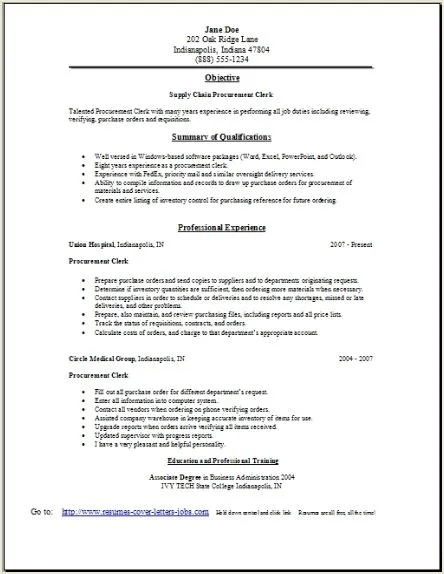
Education and certifications can significantly boost your cover letter. Even if you lack direct experience, relevant educational background can compensate. Mention any degrees or diplomas that relate to business, logistics, or operations management. If you have taken courses in supply chain management, project management, or data analysis, highlight them. Also, list any certifications you have earned, such as Certified Supply Chain Professional (CSCP) or similar. If you are currently pursuing a certification, mention that as well. This shows that you are actively seeking to improve your knowledge and skills. Emphasize projects, coursework, or any relevant academic experience. This provides proof of your understanding of core supply chain principles. This demonstrates commitment and the initiative to develop the necessary skills to be successful.
Formatting and Structure of Your Cover Letter
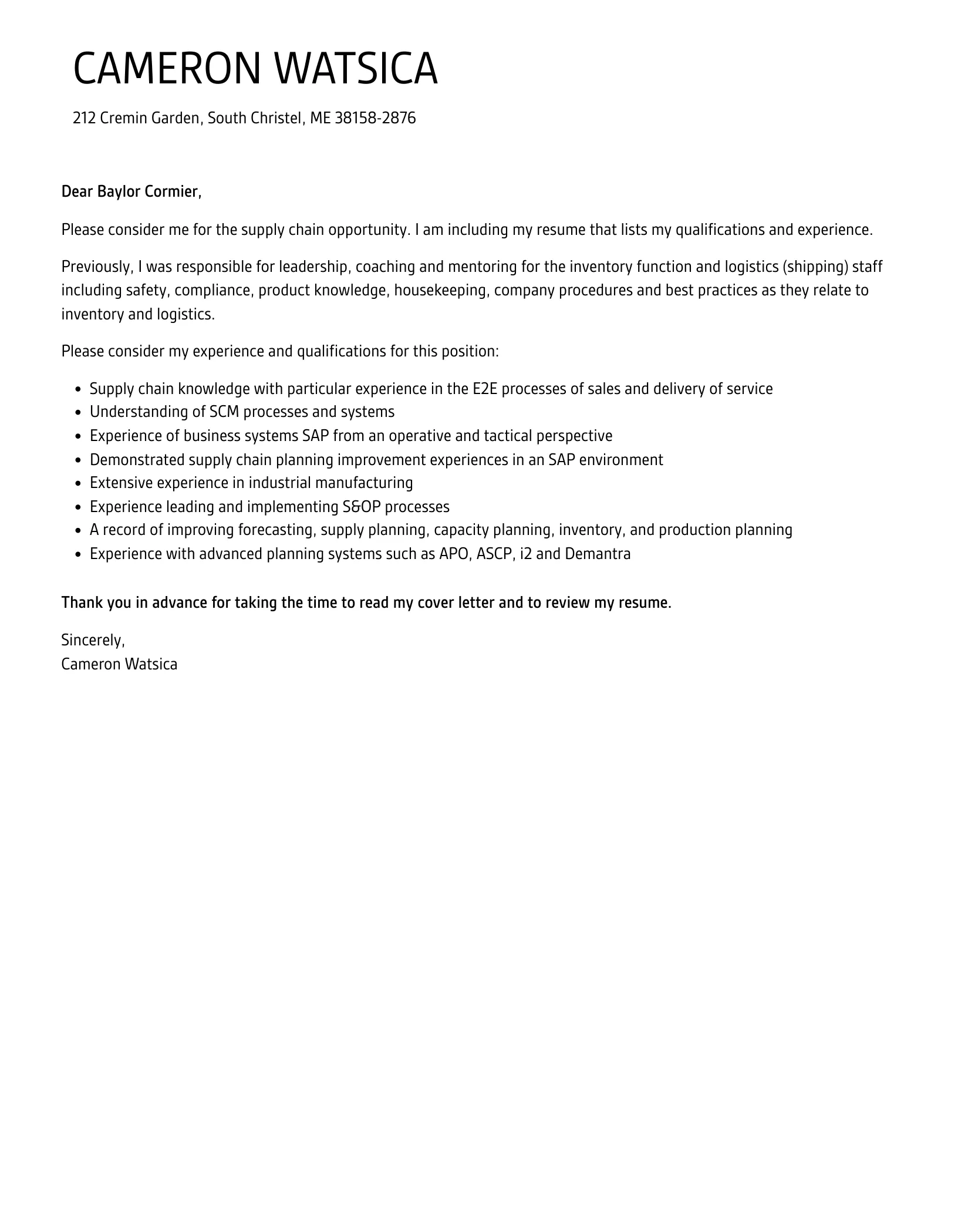
A well-structured cover letter is essential for making a positive first impression. Organize your cover letter in a clear, concise format. The layout should be easy to read and navigate. Use a professional font, such as Times New Roman or Arial, with a font size between 11 and 12 points. Keep the margins at one inch on all sides and use single spacing. Break up your content into logical paragraphs with clear headings and subheadings. This structure allows the hiring manager to quickly find the information they need. Avoid long blocks of text. A well-structured cover letter helps you present your key information effectively. Proofread your document carefully for any grammatical errors or typos. Ensure your contact information is accurate and easy to find. The objective is to convey a professional and polished image.
Header and Contact Information
Start your cover letter with a professional header that includes your name, address, phone number, and email address. Make sure your email address is professional. If you have a LinkedIn profile, include the URL. This provides recruiters with quick access to your professional background. Ensure that all information is accurate and up-to-date. It’s common practice to also include the date and the hiring manager’s name and address if you know them. If you don’t, you can use the title of the hiring manager or the company’s address. Double-check all the contact information to ensure no errors. This shows you are detail-oriented. It also shows that you are committed to creating a professional image.
Introduction Making a Strong First Impression

The introduction is your opportunity to grab the reader’s attention. Start with a strong opening statement. Mention the position you are applying for and where you found the job posting. Express your enthusiasm for the opportunity and the company. Briefly state your key qualifications or the main reason you are a good fit for the role. If possible, personalize your introduction by referring to something specific about the company or the role. Clearly express your career goals and your interest in the supply chain field. The introduction should be concise. Aim to convey your enthusiasm and your interest in the role within just a few sentences. Show your interest and passion for the role. This will make the recruiter want to read the rest of your cover letter.
Body Paragraphs Showcasing Your Value
Use the body paragraphs to provide specific examples that demonstrate your skills and qualifications. Break down each of the skills or experiences you highlighted. Provide evidence that supports your claims. Use the STAR method (Situation, Task, Action, Result) to structure your examples. This is a great way to show the impact you made in previous roles. Explain the situation, the task you were given, the action you took, and the result of your actions. Use specific examples to illustrate your problem-solving abilities, your communication skills, and your ability to work as part of a team. Tailor the content to the requirements of the job description. Make sure you provide relevant information. By doing this, you make a case as to why you are the best fit. This demonstrates the value you bring to the organization.
Highlighting Enthusiasm and Proactiveness
Throughout your cover letter, show your enthusiasm for the supply chain field and your willingness to learn. Demonstrate proactive behavior. Show your interest in taking on new challenges. Express your desire to contribute to the company’s success. Show your dedication and your willingness to go the extra mile. You can showcase this by mentioning the projects you are involved in. Express your long-term career goals. Show your genuine interest in working for the company and the supply chain industry. This demonstrates your commitment to the field. Use positive and energetic language. Maintain a professional tone throughout your cover letter. Proofread your cover letter. Ensure it accurately reflects your enthusiasm.
Quantifying Your Achievements

Whenever possible, quantify your achievements to show the impact you have made in previous roles. Use numbers and data to make your accomplishments more concrete and compelling. For example, instead of saying that you improved efficiency, mention that you ‘increased efficiency by 15%’. Instead of saying that you managed a project, mention the budget and scope. Provide data related to any key metrics such as cost savings, time reductions, or increased customer satisfaction. Quantifiable achievements give your cover letter credibility. Show recruiters the value you bring. Quantifying your skills and accomplishments helps you stand out from the crowd and makes a strong impression. This allows the hiring manager to assess the effectiveness of your actions.
Call to Action and Closing
Your closing should reiterate your interest in the position and express your desire for an interview. Thank the hiring manager for their time and consideration. State that you are available for an interview. You can also mention when you are available. End your cover letter with a professional closing, such as ‘Sincerely’ or ‘Best regards,’ followed by your name. Proofread the entire letter one last time. Ensure there are no errors. Make sure the tone of your letter is appropriate. A strong close reinforces your interest and shows your professionalism. This will increase your chances of getting noticed and moving forward in the application process.
Proofreading and Polishing Your Cover Letter
Before submitting your cover letter, proofread it carefully for any grammatical errors, spelling mistakes, and typos. Pay close attention to sentence structure and clarity. Ask a friend, family member, or career advisor to review it as a second pair of eyes can often catch mistakes that you may miss. Ensure that the tone of your cover letter is professional, and that it aligns with the company culture. Make sure your writing is easy to read and understand. Check that your contact information is accurate and up-to-date. Ensure the formatting is consistent and that all the content is presented in a clear and organized manner. A polished cover letter showcases attention to detail. It significantly improves your chances of making a good impression and getting your application noticed by potential employers. Consider using grammar and spell-checking tools to help refine your writing.
In conclusion, crafting a supply chain cover letter with no experience requires focusing on transferable skills, showcasing relevant education and certifications, and demonstrating enthusiasm for the field. Researching the company, tailoring the letter to the specific job requirements, and using a clear, concise format are all essential. By following these secrets, you can create a compelling cover letter that highlights your potential and sets you apart from other candidates. Remember, a well-written cover letter can significantly increase your chances of landing an interview and launching your career in supply chain management.