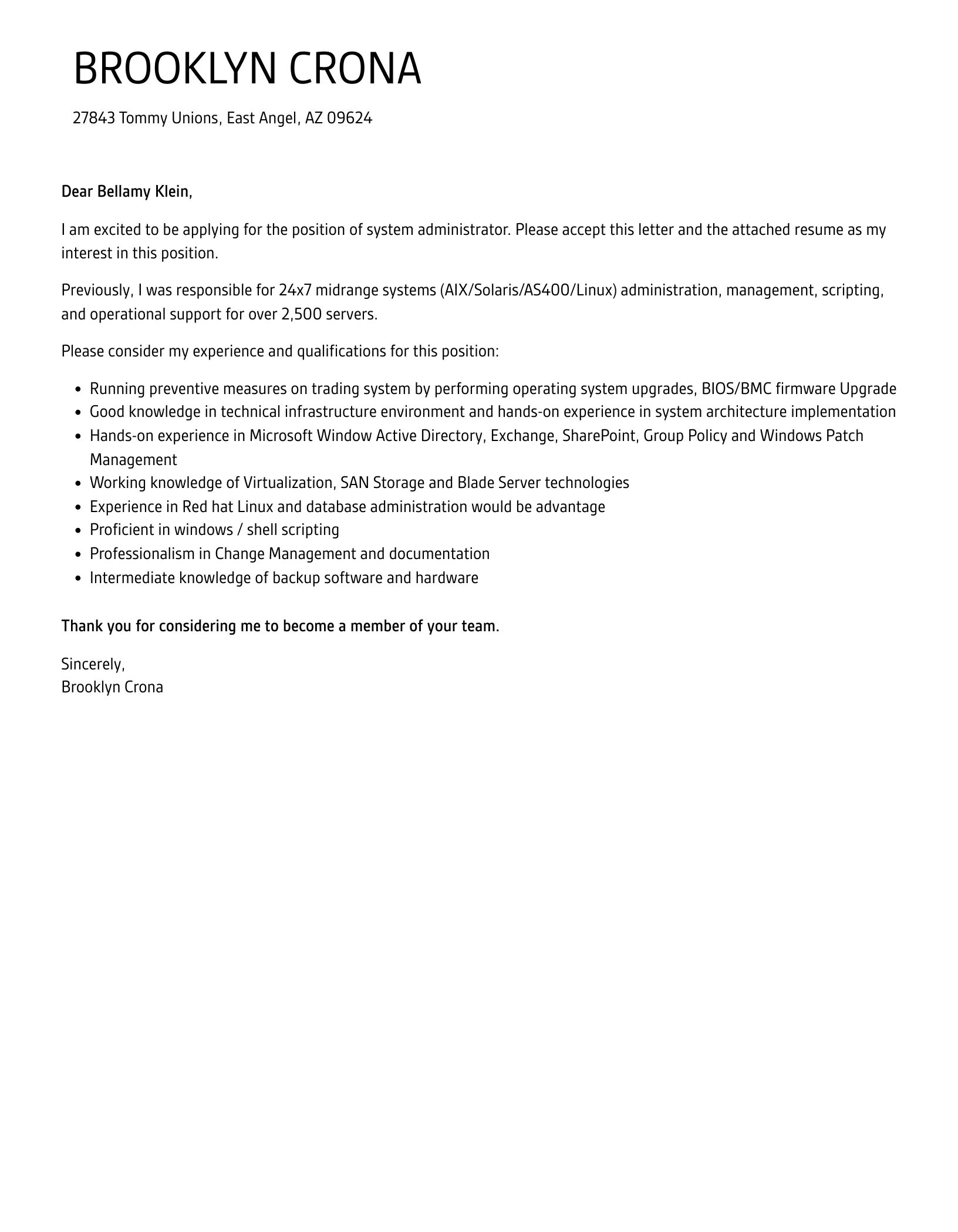
Understanding the System Admin Role
A System Administrator, often called a Sysadmin, is the backbone of any organization that relies on technology. They are responsible for maintaining, configuring, and operating computer systems, servers, and networks. Their expertise ensures that IT infrastructure runs smoothly, securely, and efficiently. A strong system admin is crucial for data protection, network stability, and overall business continuity. This vital role demands a blend of technical proficiency, problem-solving skills, and the ability to manage multiple tasks simultaneously. The role demands expertise in various operating systems, security protocols, and troubleshooting methodologies. Sysadmins ensure systems are accessible, data is secure, and the organization’s technological needs are met.
Key Responsibilities of a System Administrator
System administrators have a broad range of responsibilities, encompassing the entire IT landscape of an organization. One of their primary duties involves installing, configuring, and maintaining hardware and software. This includes everything from setting up new servers to updating applications and patching security vulnerabilities. They also monitor system performance, diagnose and resolve issues, and implement security measures to protect sensitive data. Another critical aspect of their role is managing user accounts and access permissions. They ensure that employees have the necessary resources to perform their jobs while maintaining the security of the network. In addition, sysadmins are often involved in disaster recovery planning, data backup and restoration, and creating documentation for IT procedures. A proactive system admin is always exploring ways to improve efficiency and stay ahead of potential problems.
Technical Skills System Admins Need

To succeed in this role, system administrators must possess a wide range of technical skills. Proficiency in operating systems, such as Windows Server and Linux, is essential. Knowledge of networking concepts, including TCP/IP, DNS, and firewalls, is also crucial. Strong scripting skills, particularly with languages like PowerShell or Bash, enable automation and efficient system management. Experience with virtualization technologies, such as VMware or Hyper-V, is increasingly important for managing cloud environments. A solid understanding of security principles, including intrusion detection, data encryption, and access control, is vital for protecting the organization’s data. Furthermore, a system admin must be familiar with hardware configuration, storage solutions, and troubleshooting techniques. These technical abilities, combined with a proactive approach, ensure the reliability and efficiency of IT systems.
Why a Cover Letter Matters
In the competitive job market, a well-crafted cover letter can be the key to landing an interview. Unlike a resume, which simply lists your skills and experience, a cover letter allows you to tell a story. It provides an opportunity to express your passion for the role, highlight your achievements, and explain why you are the perfect fit for the company. It’s your chance to make a lasting first impression and demonstrate your communication skills. A great cover letter is not just a formality; it’s a strategic tool that sets you apart from other candidates. It allows you to go beyond the bullet points and showcase your personality, enthusiasm, and understanding of the job’s requirements. The best cover letters show a clear connection between your qualifications and the specific needs of the employer, making it clear why they should choose you.
Highlighting Your Skills and Experience
Your cover letter is where you can demonstrate the value you bring to the table. Start by selecting the most relevant skills and experiences that align with the job description. Use the job posting as a guide to determine which qualifications are most important to the employer. Provide specific examples of how you have used your skills in previous roles. Don’t just list your responsibilities; instead, describe your accomplishments. For instance, instead of saying “Managed server infrastructure,” you could write, “Successfully managed a server infrastructure, reducing downtime by 20% and improving system performance.” Focus on results and quantify your achievements whenever possible, using data, metrics, and specific examples.
Quantifying Achievements

Quantifiable results make your cover letter more impactful and demonstrate the tangible value you bring to the role. Use numbers, percentages, and specific metrics to show your accomplishments. For example, instead of saying “Improved network security,” write “Implemented new security protocols that reduced security breaches by 30%.” Provide details about the tools and technologies you used and the positive outcomes achieved. Include the duration of any projects you worked on and the scope of your responsibilities. If you saved the company money, decreased downtime, or improved efficiency, be sure to mention those achievements. Quantifying your accomplishments provides concrete evidence of your abilities and demonstrates that you understand the importance of measurable results.
Tailoring Your Cover Letter
Generic cover letters are easily recognized and rarely make a lasting impression. Customize your cover letter for each job application. Research the company and the specific role to understand their needs and priorities. Address the hiring manager by name if possible, and show you have taken the time to learn about the company’s mission, values, and culture. Review the job description carefully and highlight the skills and experiences that match their requirements. Show how your qualifications align with their needs and what you can bring to their team. Explain how you can contribute to their success. A well-tailored cover letter demonstrates that you are genuinely interested in the position and have taken the initiative to learn about the organization.
Structuring Your System Admin Cover Letter
A clear and logical structure is essential for a compelling cover letter. It makes it easier for the hiring manager to read and understand your qualifications. Organize your letter with a clear introduction, body paragraphs, and a strong closing. Use a professional tone and format your letter to be easily scannable. Use a standard font and size, and keep the layout clean and uncluttered. A well-structured cover letter shows that you pay attention to detail and can communicate effectively. Use paragraphs to separate different ideas and make your letter easy to read.
Header and Contact Information

Start your cover letter with a professional header that includes your contact information. Include your full name, address, phone number, and professional email address. Place this information at the top left or right corner of the page. If you are submitting your cover letter electronically, ensure your email address is professional. Also, include the date and the hiring manager’s name, title, and company address. Addressing the hiring manager by name is a sign of respect and shows that you’ve done your research. This also personalizes your cover letter from the start. Always double-check the accuracy of your contact information to ensure potential employers can easily reach you.
Opening Paragraph
The opening paragraph is your first chance to grab the hiring manager’s attention. It should be concise and engaging, and should immediately state the position you are applying for. Mention where you saw the job posting and express your enthusiasm for the opportunity. Briefly summarize your most relevant skills and experience. State why you are interested in the company and what you admire about their work or culture. Indicate your understanding of the job requirements. The goal of the opening paragraph is to make the hiring manager want to read the rest of your letter. Make sure it reflects your personality and excitement for the role.
Body Paragraphs
The body paragraphs are the heart of your cover letter. This is where you showcase your skills, experience, and achievements in detail. Organize your paragraphs to address the key requirements outlined in the job description. Use the STAR method (Situation, Task, Action, Result) to provide concrete examples of your accomplishments. Discuss the challenges you faced, the actions you took, and the positive outcomes you achieved. Provide specific examples that highlight your technical skills, problem-solving abilities, and teamwork skills. Quantify your achievements with numbers, percentages, and data to demonstrate your impact. Use a positive and professional tone, and keep your paragraphs concise and focused.
Closing Paragraph

The closing paragraph should reiterate your interest in the position and summarize your qualifications. Reiterate why you are a good fit for the company and the role. Express your enthusiasm and excitement about the opportunity. Reiterate your interest in an interview and provide a call to action. For example, you can write, “I am eager to discuss how my skills and experience can contribute to your team. I am available for an interview at your earliest convenience.” Thank the hiring manager for their time and consideration. Ensure you include your contact information again and proofread your letter to ensure all details are correct.
Keywords to Include in Your Cover Letter
Including relevant keywords is essential for catching the attention of both human readers and Applicant Tracking Systems (ATS). Review the job description and identify the key skills, technologies, and responsibilities that the employer is looking for. Use these keywords naturally throughout your cover letter, especially in the body paragraphs. This helps highlight your qualifications and ensures your application is easily searchable. Don’t overstuff your cover letter with keywords, as this can make it sound unnatural. Focus on weaving them into your sentences in a way that demonstrates your understanding and experience. Consider the specific requirements of the role when choosing keywords.
Action Verbs to Use
Action verbs are powerful tools for making your cover letter more impactful and engaging. Use strong action verbs to describe your accomplishments and responsibilities. Verbs like “managed,” “implemented,” “developed,” “resolved,” and “improved” are examples of effective action verbs. Instead of writing, “Responsible for network maintenance,” you could write, “Maintained and optimized the network infrastructure, reducing downtime by 15%.” Action verbs help you paint a vivid picture of your accomplishments and show that you are proactive and results-oriented. Choose verbs that accurately reflect your experience and the requirements of the job. Using varied and engaging action verbs can make your cover letter more compelling.
Industry-Specific Terminology

Demonstrate your expertise by including industry-specific terminology in your cover letter. Research the company and the role to identify the technical terms and jargon that are relevant. Use these terms naturally to showcase your knowledge and understanding of the field. This demonstrates that you are familiar with the latest technologies and trends. Incorporate terms related to operating systems, networking protocols, security measures, and any other specific technologies mentioned in the job description. Using industry-specific terminology, in the right context, shows you are conversant in the language of the IT world.
Common Mistakes to Avoid
Certain mistakes can immediately disqualify your application. Being aware of and avoiding these common errors can significantly increase your chances of getting an interview. Pay close attention to the details of your cover letter. Avoid these errors to create a professional image.
Generic Cover Letters
Sending a generic cover letter is one of the most common and damaging mistakes. A generic letter lacks personalization and shows that you haven’t taken the time to understand the company or the role. These cover letters often use the same phrases and clichés for every application. To avoid this, always tailor your cover letter to each job. Research the company, read the job description carefully, and highlight the skills and experiences that match their requirements. Tailoring your letter shows that you are genuinely interested in the position and have taken the initiative to learn about the organization.
Typos and Grammatical Errors

Typos and grammatical errors can undermine your credibility and suggest a lack of attention to detail. Always proofread your cover letter carefully before submitting it. Check for spelling mistakes, grammatical errors, and punctuation issues. Read your letter out loud to catch any awkward phrasing or unclear sentences. Consider using a grammar checker tool. Also, it can be helpful to have someone else review your cover letter to catch any errors you might have missed. A polished and error-free cover letter shows that you are professional and meticulous.
Failing to Research the Company
Failure to research the company demonstrates a lack of interest in the opportunity. Hiring managers want to know that you are interested in their organization and understand their mission, values, and culture. Before writing your cover letter, spend time researching the company. Visit their website, read their “About Us” section, and look for news articles or press releases. This will help you tailor your cover letter to demonstrate your interest and align your qualifications with their needs. Addressing the hiring manager by name and mentioning specific details about the company shows that you have taken the time to learn about them and are truly interested in the position.
Formatting and Design
The format and design of your cover letter are essential for making a positive first impression. Choose a professional layout, font, and spacing. The cover letter should be easy to read and visually appealing. Your formatting choices show you care about details.
Choosing the Right Font and Size
Select a professional and readable font, such as Times New Roman, Arial, or Calibri. Keep the font size between 10 and 12 points. Ensure the font is consistent throughout the letter. Avoid using overly creative or decorative fonts, as they can be distracting and difficult to read. The goal is to make your cover letter easy to read and visually appealing. A clean and simple font choice demonstrates professionalism and attention to detail.
Using White Space Effectively
Use white space effectively to improve readability and make your cover letter visually appealing. Leave margins of at least one inch on all sides. Use single-line spacing and double-space between paragraphs. Avoid overcrowding your cover letter with text. A well-spaced letter is easier to read and demonstrates that you pay attention to detail. By incorporating white space, you make your cover letter look organized and inviting, which can improve the reader’s experience and make them more likely to focus on the content.
Reviewing and Proofreading
Reviewing and proofreading are the final steps in creating a compelling cover letter. Take the time to review your cover letter multiple times. Check for any errors. Ensure your letter is clear, concise, and professional. The review process helps catch and correct potential mistakes and ensures that your letter presents you in the best possible light.
Asking for Feedback
Ask someone you trust to review your cover letter and provide feedback. This can be a friend, family member, or career counselor. Get a fresh perspective on your letter. They can identify any areas that need improvement, such as unclear phrasing, grammatical errors, or formatting issues. Asking for feedback can help you catch errors. They may also provide valuable insights that can help you refine your application. Accepting and incorporating feedback is a sign of professionalism and a commitment to continuous improvement.
Using a Professional Email Address
Ensure your email address is professional and appropriate. Avoid using childish or informal email addresses. If you don’t have a professional email address, create one using your name or initials. Always use a professional tone when communicating with potential employers. Your email address is part of your first impression. This enhances your professionalism and helps you make a good impression.
Finalizing and Submitting Your Cover Letter
Before submitting your cover letter, take a final look to ensure all the details are correct and that you have followed all instructions. Submitting a polished, well-formatted cover letter is critical for landing your job interview.
Saving in the Correct Format
Save your cover letter in the correct format, usually a PDF file. A PDF file preserves your formatting and ensures that your letter looks the same on any device. Use a clear and descriptive file name, such as “[Your Name] - System Admin Cover Letter.” Always double-check that the formatting is correct and the document is easily readable before submitting your application.
Following Application Instructions
Carefully review the application instructions. Follow all directions precisely, including the method of submission, required documents, and any specific formatting guidelines. Failing to follow the instructions can lead to your application being rejected. Ensure that you submit all the required documents. Double-check that you have included your cover letter, resume, and any other requested materials. Paying close attention to detail demonstrates your professionalism and shows you can follow instructions.
Writing a compelling system admin cover letter requires careful planning, strong writing skills, and attention to detail. By following these guidelines, you can create a cover letter that highlights your skills, experience, and achievements. A well-crafted cover letter can set you apart from other candidates and increase your chances of landing an interview and ultimately, your dream job. Remember to always tailor your cover letter to each job application. Research the company, highlight your achievements, and proofread carefully before submitting your application. Good luck!