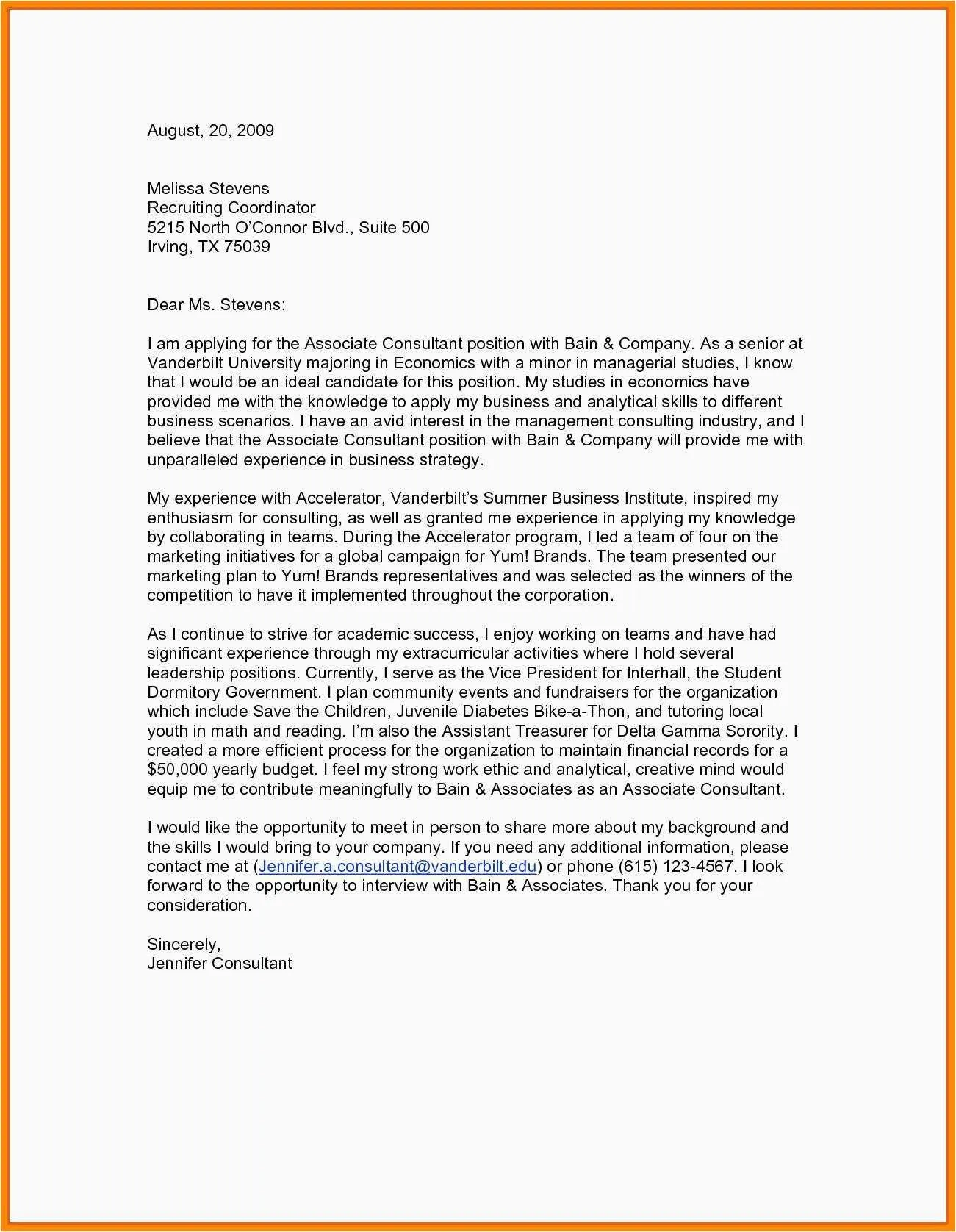
Why Your Teaching Cover Letter Matters
In the competitive world of education, a well-crafted teaching cover letter can be your golden ticket to landing your dream job. It’s not merely a formality; it’s a crucial tool that allows you to make a strong first impression on potential employers and distinguish yourself from other applicants. Your resume provides a snapshot of your experience and qualifications, but your cover letter gives you the opportunity to tell your story, showcase your passion for teaching, and highlight the unique qualities that make you an exceptional candidate. The cover letter is where you can express your enthusiasm for the specific teaching position and school, setting the stage for a successful application. It acts as a bridge, connecting your skills and experiences with the needs and values of the school.
Furthermore, a compelling cover letter allows you to address any potential gaps or weaknesses in your resume, providing context and explanation that can enhance your application. It allows you to articulate your teaching philosophy and how it aligns with the school’s mission and values. It also demonstrates your attention to detail and professionalism, signaling to the hiring committee that you’ve taken the time to thoughtfully consider the position and the school’s needs. Without a strong cover letter, your resume might get lost in the stack, never given a second glance. In essence, the cover letter is an essential piece of your application puzzle, making it a critical component for those aiming to secure a teaching position.
Highlighting Your Teaching Skills
When crafting your teaching cover letter, it’s crucial to showcase your teaching skills effectively. Begin by identifying the core skills that the school values in its educators. These might include classroom management, lesson planning, curriculum development, student assessment, and differentiation. Once you’ve identified these key skills, provide specific examples from your experience where you’ve successfully demonstrated them. Instead of simply stating that you possess these skills, illustrate them with concrete examples.
For example, rather than stating that you are a good classroom manager, describe a specific situation where you successfully managed a challenging classroom situation. Did you implement a new behavior management system that improved student engagement? Did you establish clear expectations and routines that minimized disruptions? Showcasing skills also means demonstrating your ability to create engaging lessons that cater to diverse learning styles. Explain how you’ve incorporated technology, group activities, or hands-on projects into your lessons to enhance student learning. Make sure to showcase your skills on the cover letter to set your application apart from other applicants.
Showcasing Relevant Experience

Your teaching cover letter should go beyond simply listing your work history; it needs to connect your experiences to the specific requirements of the teaching position you’re applying for. Analyze the job description carefully to identify the key qualifications and expectations. Then, use your cover letter to highlight the experiences that align with these requirements. Emphasize any relevant teaching experience, including student teaching, internships, volunteer work, or previous teaching positions. Describe your role, responsibilities, and the positive outcomes you achieved.
When showcasing your experience, focus on demonstrating how you’ve applied your skills in real-world settings. For instance, if the job description emphasizes the importance of differentiating instruction, provide specific examples of how you’ve adapted lessons to meet the diverse needs of your students. If the school values a specific teaching methodology, such as project-based learning or inquiry-based learning, provide examples of how you’ve implemented these approaches in your classroom. By connecting your experiences with the school’s needs, you can show the hiring committee that you are a strong fit for the position and possess the skills and experiences necessary to succeed.
Quantifying Your Achievements
One of the most effective ways to make your teaching cover letter stand out is to quantify your achievements. Instead of simply stating that you’ve had a positive impact on your students, provide concrete data and measurable results. Use numbers and statistics to demonstrate the impact of your teaching on student learning and achievement. For example, you might state that you increased student test scores by a certain percentage, improved student engagement by implementing a new strategy, or reduced discipline referrals by a certain amount. Quantifying your achievements adds credibility to your claims and demonstrates your ability to make a tangible difference in the classroom.
When quantifying your achievements, be specific and provide context. Explain the methods you used to measure your results and the factors that contributed to your success. Did you implement a new teaching strategy that led to improved student outcomes? Did you collaborate with colleagues to develop a new curriculum that boosted student engagement? By quantifying your achievements, you can effectively demonstrate your value as a teacher and show the hiring committee that you’re a results-oriented educator. Also, provide metrics on the cover letter to create a good first impression.
Tailoring Your Letter to the School
A generic cover letter won’t cut it. To truly impress potential employers, you must tailor your cover letter to each specific school and teaching position you apply for. Research the school’s mission, values, and culture. Visit their website, read their mission statement, and explore their social media presence to gain a deeper understanding of their priorities and goals. Identify the specific needs and requirements of the position you’re applying for by carefully reviewing the job description. Does the school emphasize a particular teaching philosophy, such as Montessori or project-based learning? Does the position require experience with a specific curriculum or student population?
Once you understand the school’s needs and priorities, tailor your cover letter to address them. Demonstrate how your skills, experiences, and teaching philosophy align with the school’s values and expectations. Highlight any relevant experience that demonstrates your ability to meet the specific requirements of the position. Use the school’s language and terminology in your cover letter to show that you’ve done your homework and are genuinely interested in the opportunity. By tailoring your cover letter, you show the hiring committee that you’re not just sending out generic applications, but are genuinely interested in the specific position and school.
Secrets to a Standout Teaching Cover Letter

Beyond the basic elements, there are several secrets to writing a standout teaching cover letter that grabs the attention of hiring committees. The first secret is to inject personality and passion into your letter. Let your enthusiasm for teaching shine through your writing. Share anecdotes or stories that illustrate your passion for education and your commitment to student success. Show, don’t just tell. Instead of just stating that you are passionate about teaching, describe a specific moment or experience that sparked your love for education.
Another secret is to use action verbs and strong language. Avoid passive language and use verbs that convey your skills and accomplishments. For example, instead of saying “I was responsible for lesson planning,” say “I developed and implemented engaging lesson plans.” Finally, proofread your cover letter carefully for any grammatical errors or typos. These errors can undermine your credibility and make a negative impression. By following these secrets, you can craft a teaching cover letter that showcases your unique qualities and sets you apart from other applicants, increasing your chances of landing an interview and ultimately, your dream teaching job.