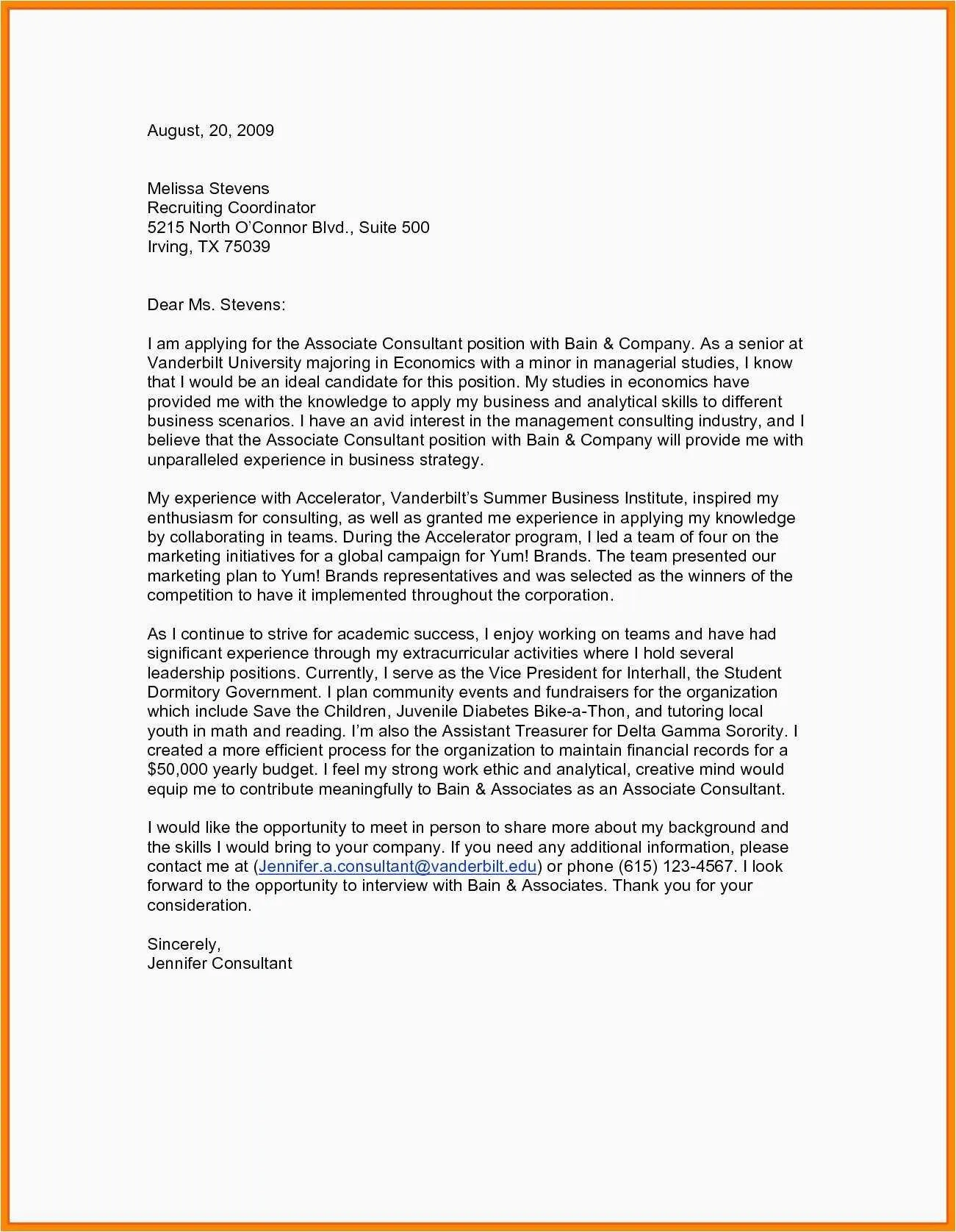
What is a Teaching Resume Cover Letter
A teaching resume cover letter is a crucial document that accompanies your resume when applying for a teaching position. It serves as your introduction to the hiring committee, providing a snapshot of your qualifications, experiences, and passion for education. Unlike your resume, which lists your skills and accomplishments, a cover letter allows you to tell a story, explaining why you are the ideal candidate for the specific role. It’s your opportunity to make a strong first impression, showcase your personality, and express your enthusiasm for the school and the teaching profession. A well-crafted cover letter can significantly increase your chances of getting an interview and landing your dream teaching job. It is a reflection of your communication skills and attention to detail, two essential qualities for any educator. Therefore, investing time and effort into writing a compelling cover letter is a wise investment in your career.
The Purpose of a Cover Letter
The primary purpose of a cover letter is to persuade the reader that you are a strong candidate for the position. It complements your resume by providing context and depth to your qualifications. A cover letter allows you to highlight specific skills and experiences that align with the job requirements, demonstrating how you can contribute to the school’s mission and goals. Furthermore, a cover letter showcases your communication skills and your understanding of the school’s needs. It provides an opportunity to express your genuine interest in the school and the teaching position. By personalizing your cover letter to each application, you demonstrate that you’ve done your research and are truly interested in the specific opportunity. Ultimately, the purpose is to secure an interview, where you can further elaborate on your qualifications and make a more personal connection with the hiring team.
Key Components of a Cover Letter

A well-structured cover letter typically includes several key components that work together to create a compelling introduction of yourself. These components ensure your letter is organized, professional, and persuasive. These sections are essential to create a comprehensive introduction. It starts with your contact information at the top, followed by the date and the recipient’s information. The greeting sets the tone, followed by the body, which is where you will showcase your skills, experiences, and qualifications, and tailor it to the specific school or role. Finally, the closing reiterates your interest and includes a call to action, such as expressing your availability for an interview. Each component serves a distinct purpose, working in synergy to make a compelling case for your candidacy. Careful attention to each component is paramount in creating a professional, polished cover letter.
Contact Information
At the beginning of your cover letter, you should include your contact information. This typically consists of your full name, phone number, email address, and sometimes your LinkedIn profile URL. Make sure the information is accurate and up-to-date. This allows the hiring manager to quickly reach out to you if they are interested in your application. Ensure your email address is professional and appropriate for the role. Using a formal email address is the first impression the hiring team will see. Your contact information should be clearly formatted and easy to find. Placing it at the top left or right corner of the letter is a common practice. This simple step ensures that the recipient can readily contact you. Always double-check the details to avoid any errors that could hinder communication.
The Greeting
The greeting sets the tone for your cover letter. Aim to address the hiring manager by name. If the name of the hiring manager is not provided, research the school’s website, LinkedIn, or call the school to find out who you should address the letter to. If you are unable to find a specific name, use a professional salutation such as “Dear Hiring Committee” or “Dear [Department Name] Team.” Avoid generic greetings such as “To Whom It May Concern,” as these can make your application feel impersonal. A personalized greeting shows that you have taken the time to research the school and the role. It demonstrates that you are serious about the opportunity and pay attention to detail. This small gesture can make a big difference in making a positive first impression.
Highlighting Your Skills and Experience

This is where you connect your skills and experience to the job requirements. Review the job description carefully and identify the key qualifications the school is looking for. Select experiences that directly align with those requirements. Provide specific examples to support your claims, using the STAR method (Situation, Task, Action, Result) to illustrate your accomplishments. Quantify your achievements whenever possible. For example, instead of saying “Improved student test scores,” you could say “Increased student test scores by 15% in one semester.” The use of action verbs helps bring your accomplishments to life and shows the employer the value you would bring to the school. Tailor your cover letter to each application by highlighting skills and experiences that are most relevant to the specific position.
Tailoring Your Letter to the School
To stand out from the competition, tailor your cover letter to each school you apply to. Research the school’s mission, values, and specific needs. Mention any programs or initiatives that resonate with you. Demonstrate your knowledge of the school and why you would be a good fit for their community. Customizing your letter shows the hiring manager that you are genuinely interested in their school. This personalization shows that you’ve taken the time to understand the school’s culture and goals. Reference the school’s website, social media, or news articles to gather insights that will help you personalize your letter. By demonstrating your genuine interest in the school, you make a strong impression and significantly increase your chances of being considered for the position.
Showcasing Achievements and Qualifications
Use the body of your cover letter to showcase your most significant accomplishments and qualifications. Highlight your teaching certifications, degrees, and any specialized training you have received. Provide examples of your successful teaching strategies, classroom management techniques, and student engagement approaches. Whenever possible, use data and metrics to quantify your accomplishments. For instance, mention how you improved student test scores, increased student participation, or implemented a new curriculum. Describe specific projects or initiatives that demonstrate your leadership, creativity, and dedication to student success. By clearly articulating your achievements, you show the hiring committee the value you can bring to their school. This will give them a better understanding of your capabilities and how you can contribute to their team.
Expressing Enthusiasm and Passion

Expressing your enthusiasm for teaching and your passion for education is crucial. Share why you are excited about the specific teaching opportunity and what motivates you to work with students. Convey your commitment to creating a positive and engaging learning environment. Discuss your teaching philosophy and how it aligns with the school’s values. Demonstrate your genuine interest in the school’s mission and culture. A passionate cover letter shows the hiring committee that you are not just looking for a job, but that you have a genuine dedication to teaching. Your enthusiasm can make a lasting impression and set you apart from other candidates. Share your aspirations for student success and how you plan to contribute to the school’s community.
The Closing
Your closing should reiterate your interest in the position and express your desire for an interview. Thank the hiring manager for their time and consideration. Reiterate that you are eager to discuss your qualifications further. Include a call to action, such as stating your availability for an interview and providing your contact information. Keep the tone professional and enthusiastic. A well-crafted closing leaves a positive final impression and encourages the hiring manager to contact you. This concise statement reaffirms your interest and makes it easy for the hiring manager to take the next step. This will help move your application forward in the selection process.
Proofreading and Formatting
Before submitting your cover letter, carefully proofread it for any grammatical errors, spelling mistakes, or typos. Ensure that your formatting is consistent and professional. Use a clear and readable font, such as Times New Roman or Arial, and maintain a consistent font size. Check the layout for proper spacing and margins. Ask a friend, colleague, or career counselor to review your cover letter and provide feedback. Correct any errors or inconsistencies. A well-formatted and error-free cover letter demonstrates your attention to detail and professionalism. Taking the time to proofread your cover letter is a critical step to demonstrate your professionalism and ensure your message is conveyed effectively. Proofreading can catch any errors you might have missed, increasing the likelihood of a positive first impression.