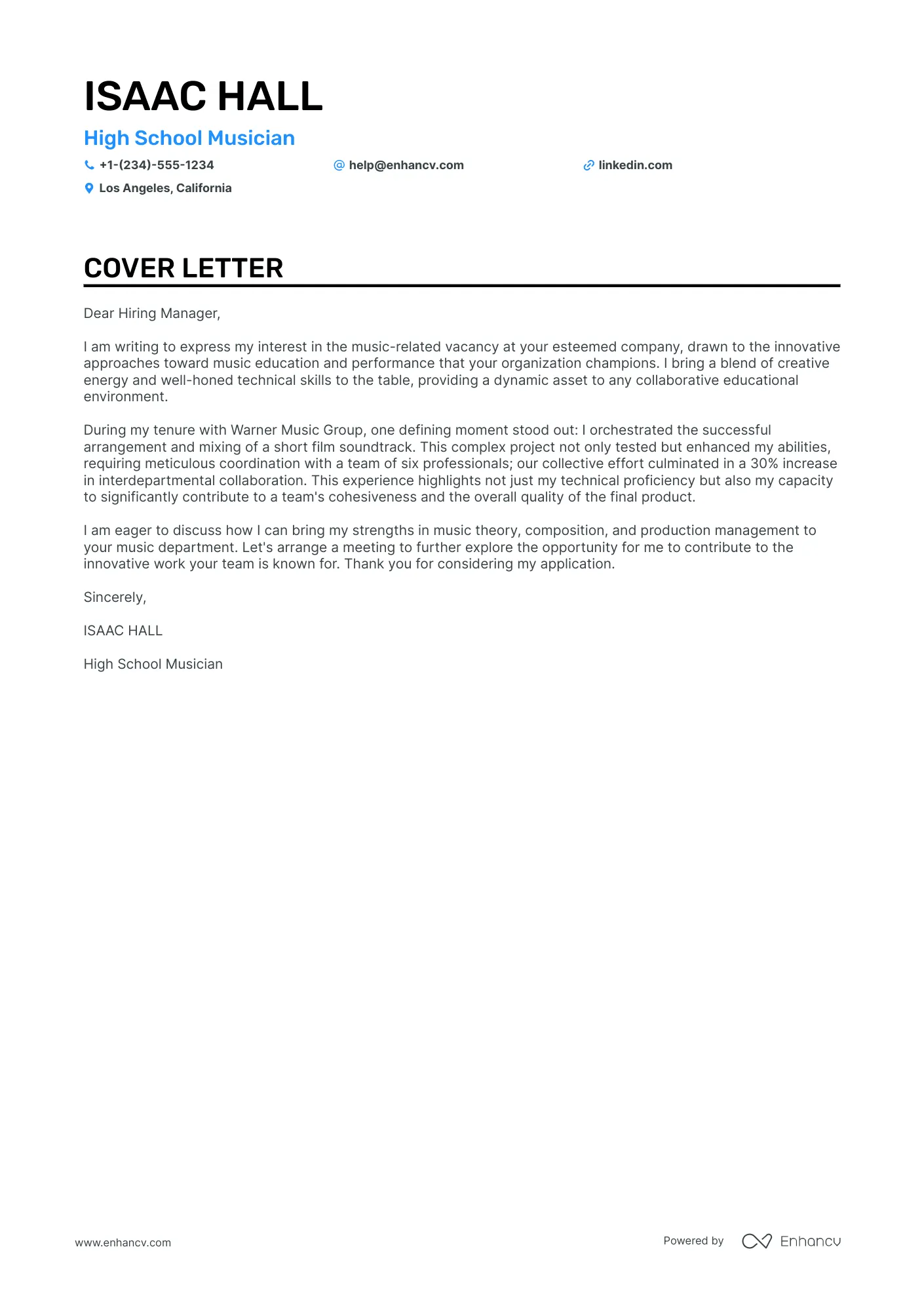
Cover Letter Essentials for Teens
As a teenager venturing into the world of job applications, a well-crafted cover letter is your key to unlocking opportunities. It’s your chance to make a strong first impression, showcasing your personality, skills, and enthusiasm to potential employers. Unlike a resume, which lists your experience, a cover letter provides a narrative, explaining why you’re the perfect fit for the specific role. This guide will provide you with the essential components and examples to create a compelling cover letter that grabs attention and increases your chances of landing that coveted job. A well-written cover letter can set you apart from other applicants, particularly when you may have limited work experience. It’s your chance to demonstrate your communication skills and professionalism.
Understanding the Purpose of a Cover Letter
The primary goal of a cover letter is to introduce yourself and express your interest in a specific job or opportunity. It should highlight your relevant skills, experiences, and qualifications while demonstrating your enthusiasm for the role and the company. Think of it as your personal sales pitch. The cover letter allows you to explain any gaps in your resume and elaborate on your skills. For example, if you haven’t held a formal job, you can highlight skills gained through volunteering, school projects, or extracurricular activities. It is also an opportunity to show the employer how your goals align with the organization’s objectives.
Key Components of a Cover Letter

A well-structured cover letter consists of several key components working together to make a positive impact. These elements include a clear header with your contact information, a professional salutation, a compelling introductory paragraph, body paragraphs that highlight your skills and experience, a call to action, and a concise closing. Each section plays a crucial role in conveying your message effectively. It’s important to tailor each cover letter to the specific job. This requires researching the job description and company to ensure your letter directly addresses the requirements of the position and the organization’s values. A generic cover letter will likely be overlooked.
Formatting Your Teen Cover Letter
Formatting is crucial to make your cover letter easy to read and visually appealing. Use a professional font like Times New Roman, Arial, or Calibri in a size between 10 and 12 points. Maintain consistent formatting throughout the document. Structure your letter with single spacing within paragraphs and a double space between paragraphs. The layout should include left alignment, with a standard one-inch margin on all sides. Keep the letter concise, aiming for a single page. Avoid overly long paragraphs. Use clear headings and bullet points when necessary to organize the content and enhance readability. A well-formatted letter shows attention to detail, a characteristic that employers value.
Header and Contact Information
Begin your cover letter with a header that includes your full name, address, phone number, and email address. Ensure your email address sounds professional. Avoid using nicknames or unprofessional usernames. The header should be aligned to the top left of the page. Directly beneath your contact information, include the date and the hiring manager’s name and title, if known. If you cannot find the hiring manager’s name, use the job title or the name of the department. Accurate contact information is vital so employers can reach you for an interview.
Salutation

Use a professional salutation such as “Dear Mr./Ms./Mx. [Last Name],” when addressing the hiring manager. If you don’t know the hiring manager’s name, use a general salutation like “Dear Hiring Manager” or “Dear [Company Name] Team.” Avoid generic greetings like “To Whom It May Concern.” The salutation sets the tone for your letter, so it’s important to be respectful and professional from the start. Correct spelling and punctuation are essential, especially in names. When in doubt, research the correct spelling of the hiring manager’s name on LinkedIn or the company website.
Body Paragraphs for Teens
The body paragraphs are where you showcase your skills, experience, and enthusiasm. The body of your cover letter is where you make your case. The structure will vary depending on the specific job you are applying for. However, each cover letter should include a strong introductory paragraph, a section that highlights relevant skills and experiences, and a concluding paragraph that reinforces your interest. Focus on demonstrating how your skills and experience align with the requirements of the job. Use clear and concise language, and provide specific examples to support your claims. Tailor your writing style to the tone and format of the company, when possible. The body paragraphs are your opportunity to sell yourself to the employer and leave a memorable impression.
First Paragraph Introduce Yourself
Start your cover letter with an engaging introduction. State the specific job you’re applying for and how you found the position. Briefly mention why you’re interested in the role and the company. Consider using a hook to grab the reader’s attention. For example, you could start with a short anecdote that demonstrates a skill or quality relevant to the job. Keep it concise. Your opening paragraph should quickly explain your purpose for writing. This sets the stage for the rest of your letter and motivates the employer to continue reading. Making a strong first impression is critical, as the opening paragraph is often the first thing a hiring manager will read.
Highlighting Skills and Experience

In the next paragraph(s), highlight the skills and experiences that align with the job description. Even if you lack traditional work experience, focus on transferable skills gained through school, extracurricular activities, volunteering, or personal projects. Provide specific examples to demonstrate how you’ve used these skills effectively. Quantify your accomplishments whenever possible. For example, instead of saying “I improved customer service,” say “I increased customer satisfaction scores by 15% through friendly and efficient service.” Using quantifiable examples is more powerful than making generic statements. This helps the employer to visualize your potential contributions and understand your value.
Demonstrating Enthusiasm and Fit
Show your enthusiasm for the job and the company. Explain why you’re interested in the specific role and what you admire about the organization. Research the company’s mission, values, and recent projects to personalize your letter. Explain how your personal goals align with the company’s goals. Demonstrate that you understand the role and the responsibilities. This demonstrates your commitment and initiative. Showing genuine enthusiasm can make a lasting impression. A hiring manager is more likely to hire someone who is eager to learn and grow within the company.
Call to Action & Closing
Conclude your cover letter with a call to action. Express your eagerness for an interview and provide your contact information. Thank the reader for their time and consideration. Use a professional closing such as “Sincerely,” “Best regards,” or “Thank you.” Before submitting, review your cover letter for any errors. The closing paragraph offers a final opportunity to make an impact. It should leave the reader with a positive impression. A clear call to action makes it easy for the employer to take the next step, increasing your chances of being contacted for an interview.
Proofreading and Editing

Proofreading and editing are critical. Errors in grammar, spelling, and punctuation can undermine your credibility. Carefully review your cover letter for any mistakes. Ask a friend, family member, or career counselor to proofread it for you. Pay attention to the flow of your writing. Ensure your sentences are clear and concise. Verify that you have used the correct names, titles, and company information. A polished, error-free cover letter demonstrates professionalism and attention to detail. Taking the time to proofread will significantly increase your chances of a successful application. It is often a deciding factor in a competitive applicant pool. Consider running your letter through a grammar and spell-checking tool, like Grammarly.
Examples of Teen Cover Letters
Reviewing examples of cover letters tailored to specific jobs can provide inspiration and guidance. These examples illustrate how to tailor your letter to the requirements of different positions. Adapt the sample templates to reflect your own experiences and skills. Ensure that each cover letter is customized to the specific job and company. Remember to highlight relevant skills and experiences. You can find many examples online and modify them to suit your needs.
Cover Letter for Retail Job
When applying for a retail job, focus on your customer service skills, ability to work in a team, and experience with handling money. Highlight any previous experience with customer interaction, even if it’s from a volunteer position or school project. Show your understanding of retail operations. Mention your ability to handle cash transactions, assist customers, and maintain a clean and organized workspace. Emphasize your positive attitude and willingness to learn. Tailor your skills and experiences to the specific responsibilities mentioned in the job description. For instance, mention your experience in inventory management if it is a requirement. A strong cover letter for a retail job often showcases communication, problem-solving, and teamwork skills.
Cover Letter for Babysitting Job

A babysitting cover letter should highlight your responsibility, reliability, and experience working with children. If you have taken any first aid or CPR courses, be sure to mention it. Include references from previous clients if possible. Show your understanding of childcare. Describe any experience with feeding, bathing, and entertaining children. Demonstrate your ability to handle emergencies. Explain how you create a safe and fun environment. Emphasize your communication skills and ability to follow instructions. Your personality should also shine through. A good babysitting cover letter conveys your trustworthiness and dependability.
Cover Letter for Summer Camp Counselor
For a summer camp counselor position, highlight your leadership skills, experience with children, and enthusiasm for outdoor activities. Mention any certifications, such as lifeguard training or first aid. Describe your experience planning and leading activities. Emphasize your ability to engage with children and create a positive environment. If applicable, you can also highlight specific skills relevant to the camp, such as sports, arts and crafts, or music. Show your passion for working with children and your ability to be a role model. Enthusiasm and a positive attitude are important for this type of role. A strong cover letter for a summer camp counselor demonstrates your ability to ensure the well-being and engagement of the campers.
Cover Letter for Volunteer Work
When applying for volunteer work, focus on your willingness to contribute and your passion for the cause. Highlight any relevant skills and experiences, even if they are from non-work activities. Explain why you want to volunteer with this particular organization. Demonstrate your commitment to helping others. Show your ability to work as part of a team. Mention any experience with fundraising, outreach, or community service. Tailor your letter to the specific volunteer role. A volunteer cover letter should convey your genuine interest in making a difference and your eagerness to contribute to the organization’s mission. Highlight relevant skills and experiences from school, extracurricular activities or hobbies.
Tips for Writing a Great Teen Cover Letter

Besides the fundamental components, a great cover letter incorporates specific strategies to make it stand out. Effective letters are tailored to the individual job and showcase the applicant’s unique skills. Review these tips to create an outstanding cover letter and increase your chances of securing an interview. Make sure you showcase your personality and enthusiasm. This helps you to make a memorable impression.
Tailoring Your Letter to the Job
Customize each cover letter to the specific job and company. Don’t send the same letter for every application. Research the company and the job requirements. Identify the keywords from the job description and incorporate them into your letter. Highlight the skills and experiences that are most relevant to the position. Personalize your letter by mentioning the specific role you’re applying for and how it aligns with your goals. This demonstrates your interest and attention to detail. The goal is to show the employer that you have carefully considered their needs. Tailoring your letter will show that you have read the job description.
Using Keywords From the Job Description
Carefully review the job description and identify key skills and keywords. Incorporate these keywords naturally into your cover letter. Use the same terminology that the employer uses to describe the role and responsibilities. This helps your cover letter pass through Applicant Tracking Systems (ATS), which many companies use to screen applications. However, don’t just stuff keywords into your letter. The goal is to highlight your skills and qualifications in a way that is relevant and easy to read. Make sure your examples demonstrate those skills. A cover letter that contains the right keywords is more likely to be noticed by the hiring manager.
Showcasing Soft Skills
Soft skills are essential. These include communication, teamwork, problem-solving, and time management. Even if you lack extensive work experience, you can showcase soft skills through examples from school, extracurricular activities, volunteering, or personal projects. Provide specific instances where you have demonstrated these skills. For instance, instead of simply stating that you are a good team player, describe a situation where you collaborated with others to achieve a goal. Soft skills are transferable. Many employers prioritize these skills when making hiring decisions. Focus on demonstrating how you work with others and resolve conflicts. It is important that you are showing these skills with relevant examples.
Common Mistakes to Avoid
Avoiding common mistakes can significantly improve the effectiveness of your cover letter. Pay attention to these pitfalls to ensure that your application leaves a positive impression. Make sure to avoid these common mistakes. They can negatively impact your chances of landing a job. Being aware of them can help you create a more professional application.
- Using a generic cover letter. Customize each letter for the specific job.
- Including too much irrelevant information. Focus on the skills and experiences that are most relevant to the job.
- Making spelling and grammar errors. Proofread carefully before submitting.
- Being overly casual or informal. Maintain a professional tone throughout your letter.
- Failing to research the company. Show that you understand the company’s mission and values.
- Writing a letter that is too long. Keep your cover letter concise and to the point.
- Focusing solely on yourself. Highlight the benefits you can bring to the employer.
By following these guidelines and avoiding common mistakes, you’ll be well on your way to writing a cover letter that gets you noticed. A strong cover letter can open doors to exciting opportunities. Demonstrate your skills. Highlight your enthusiasm. Tailor your letter to the specific job. With practice and careful attention to detail, you can create cover letters that impress potential employers and help you land the job you desire. Use the advice in this guide to create a compelling cover letter and begin your job search journey.