Why a Cover Letter Matters for Teenagers
As a teenager stepping into the job market, you might wonder if a cover letter is truly necessary. The short answer is a resounding yes! A cover letter is your first impression, your chance to shine beyond the bullet points of your resume. It’s where you can demonstrate your personality, enthusiasm, and specific interest in the role. While your resume provides a snapshot of your experience, the cover letter allows you to tell your story, explaining why you’re the perfect fit for the job, even if your experience is limited. It’s an opportunity to make a memorable impression and show the employer that you’re serious about the opportunity and willing to put in the extra effort. Remember, many employers value initiative and a proactive approach, and a well-crafted cover letter certainly highlights these qualities. So, don’t underestimate its power; it can be the deciding factor in getting you an interview.
Highlighting Skills & Experience
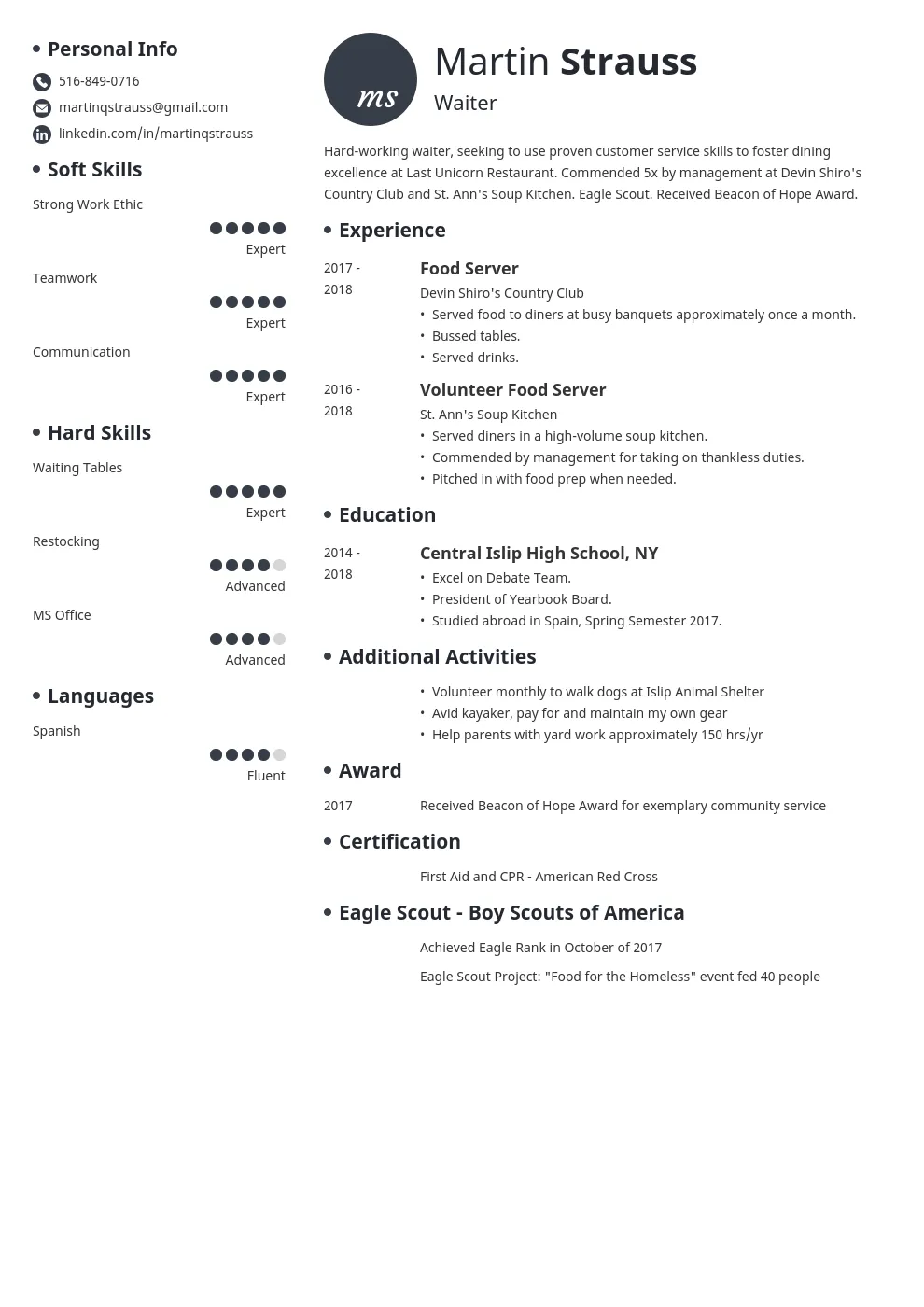
When you’re a teenager, your work history may be relatively short, which is perfectly fine. The key is to focus on transferable skills, those abilities you’ve gained in various settings that are applicable to the job you’re seeking. Think about the skills you’ve developed in school, extracurricular activities, volunteer work, or even household chores. Even if you haven’t held a traditional job, you’ve likely honed essential skills like communication, teamwork, problem-solving, and time management. It’s about framing your experiences in a way that highlights their relevance to the employer’s needs. Focus on how your skills can benefit the company and contribute to its success. It is crucial to be honest in your statements but highlight the positive aspects and show your willingness to learn and adapt.
Transferable Skills from School

School provides a wealth of opportunities to build valuable skills. Think about group projects – these demonstrate teamwork, collaboration, and the ability to meet deadlines. Participating in class discussions hones your communication and presentation skills. Homework and studying cultivate time management, organizational abilities, and the capacity to work independently. Even subjects like math and science can showcase problem-solving and analytical skills. If you’ve taken on leadership roles in school clubs or sports teams, be sure to highlight these experiences as they demonstrate leadership qualities, responsibility, and the ability to motivate others. In your cover letter, be specific about how these skills translate into a professional environment and how you would utilize them in the role you are applying for.
Showcasing Extracurricular Activities
Extracurricular activities offer a fantastic opportunity to demonstrate a variety of skills and interests. Whether it’s sports, music, debate club, or volunteering, these experiences show that you’re proactive, passionate, and able to manage your time effectively. Participating in sports, for instance, highlights teamwork, discipline, and the ability to handle pressure. Music lessons can showcase your commitment, creativity, and ability to follow instructions. Debate club can prove your communication, research, and critical thinking skills. Volunteering reveals your compassion, empathy, and dedication to helping others. When describing these activities, be sure to highlight the skills you’ve gained and how they align with the job requirements. For example, if you’re applying for a customer service role, mention your experience with the school’s student council, emphasizing your experience in dealing with others and how you worked out conflicts and solutions.
Formatting Your Cover Letter
The format of your cover letter is just as important as its content. A clean, organized, and professional-looking letter conveys respect for the potential employer. Use a standard font like Times New Roman, Arial, or Calibri, and keep the font size between 10 and 12 points. Maintain consistent formatting throughout the document, with clear headings, bullet points, and ample white space. Avoid using slang, emojis, or overly casual language; this is a professional communication. Proofread your letter carefully for any grammatical errors or typos; these can undermine your credibility. A well-formatted cover letter demonstrates your attention to detail and your respect for the hiring process, leaving a lasting impression on the recruiter.
Contact Information & Date

At the top of your cover letter, include your full name, address, phone number, and email address. Make sure your email address is professional; avoid using nicknames or overly casual phrasing. Directly below your contact information, include the date. Then, address the letter to the hiring manager or the person listed in the job posting. If you cannot find a specific name, use a general salutation like “Dear Hiring Manager.” Remember to always double-check the date and contact information to ensure its accuracy.
Salutation and Introduction
Start your cover letter with a professional salutation such as “Dear Mr./Ms./Mx. [Last Name]” or “Dear Hiring Manager.” In your introduction, clearly state the position you are applying for and where you saw the job posting. Immediately grab the reader’s attention by mentioning something that sparked your interest in the company or role. Make sure to express your enthusiasm for the opportunity and briefly summarize your key skills and qualifications. The introduction serves as a hook, encouraging the reader to continue reading and learn more about what you have to offer.
Body Paragraphs - What to Include
The body paragraphs are the heart of your cover letter; this is where you highlight your skills, experience, and qualifications in more detail. Tailor each paragraph to the specific job description, emphasizing the skills and experiences that align with the requirements. Use the STAR method (Situation, Task, Action, Result) to describe your accomplishments. For example, describe a situation where you faced a challenge, the task you had to accomplish, the actions you took to overcome the challenge, and the positive results you achieved. Be specific and provide concrete examples to showcase your abilities. The body paragraphs provide the substance that allows the employer to gain an understanding of the skills that you possess and what you can bring to their company.
Expressing Enthusiasm and Interest

Throughout your cover letter, express your genuine enthusiasm and interest in the role and the company. Research the company and mention specific aspects that appeal to you. Explain why you are a good fit for the company culture. Show that you’ve done your homework and are not just applying for any job. Your enthusiasm can set you apart from other applicants, as it conveys a strong desire to contribute to the company’s success. It also shows your potential employer that you have a strong work ethic. Expressing enthusiasm can go a long way, especially in a market where many are not showing this positive attitude.
Tailoring to the Job Description
Carefully review the job description and customize your cover letter to match the specific requirements. Identify the key skills, experiences, and qualifications the employer is seeking and use those keywords in your letter. Provide examples that demonstrate how you meet those requirements. This shows the hiring manager that you understand the role and are a good fit. Avoid using a generic cover letter template; instead, personalize each letter for each job you apply for. By demonstrating your understanding of the job description, you will be able to increase the chance of your cover letter successfully conveying the information you want.
Closing the Letter
Your closing paragraph should reinforce your interest in the position and thank the employer for their time and consideration. Restate your enthusiasm for the opportunity, and express your confidence in your ability to contribute to the company. Reiterate your key qualifications and your willingness to learn and take on challenges. Use a professional closing such as “Sincerely,” “Yours sincerely,” or “Best regards,” followed by your full name. Make sure to include a call to action.
Thank You and Call to Action

End your cover letter by thanking the employer for their time and consideration. Include a call to action, such as stating that you are available for an interview and providing your contact information once more. Make it easy for the hiring manager to contact you by including your phone number and email address. Express your eagerness to discuss your qualifications further and show your anticipation of their positive response. Concluding with a strong call to action signals your confidence and proactive approach, leaving a lasting positive impression on the employer. Remember to always proofread the letter before submitting it.
Cover Letter Examples for Teens
Reviewing cover letter examples tailored for teenagers can be highly beneficial. These samples provide guidance on how to structure the letter, highlight relevant skills, and present yourself professionally. Search online for examples related to your desired job or industry. Pay attention to the language used, the tone, and the way the applicant showcases their qualifications. You can adapt the examples to fit your own experiences and the job you’re applying for. Remember to customize each example to suit your unique situation, and do not simply copy and paste. These examples are an excellent resource for learning how to effectively communicate your capabilities and increase your chances of landing that first job. There are many options for finding great examples on the internet; just do your research!