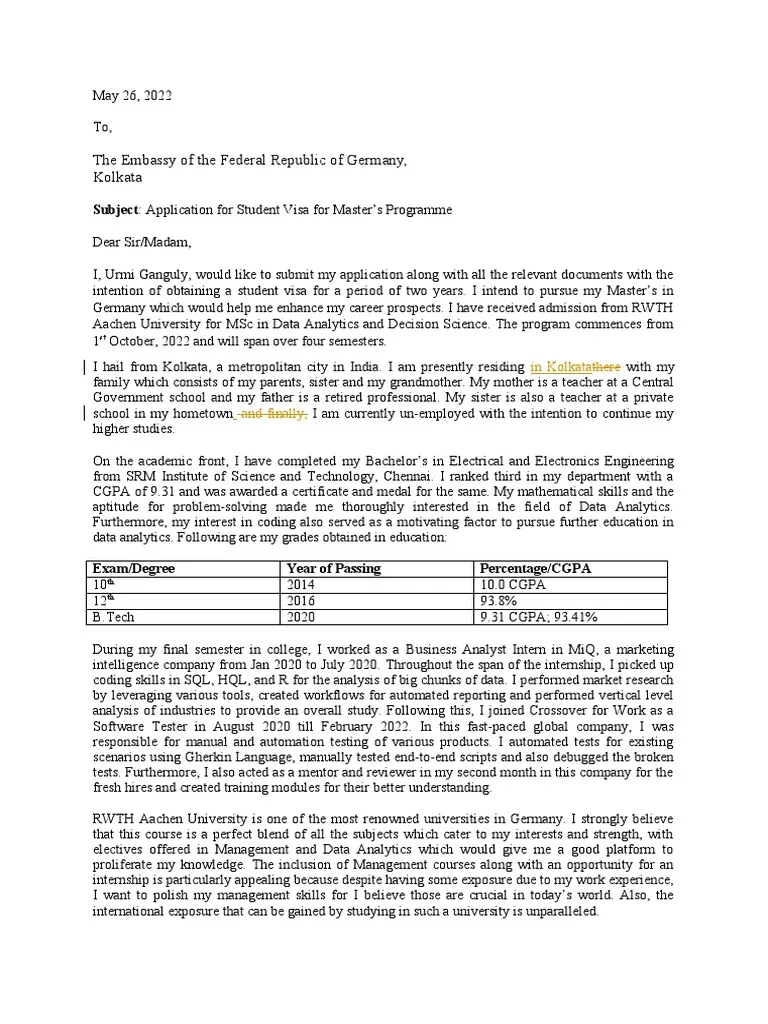
Understanding the Importance of a USCIS Cover Letter
Navigating the complexities of United States Citizenship and Immigration Services (USCIS) applications can feel overwhelming. One often-overlooked but crucial element is the cover letter. A well-crafted USCIS cover letter acts as your application’s introduction and summary, providing context and clarity to the information you’re submitting. It’s your opportunity to tell your story, highlight key details, and guide the USCIS officer through your application package. A comprehensive cover letter can significantly impact the processing time and the outcome of your application, making it an essential document in the immigration process.
Why a Cover Letter Matters for USCIS
A cover letter serves as a roadmap for the USCIS officer reviewing your application. It helps organize your documents, ensuring they understand the purpose of each piece of evidence. Without a cover letter, the officer may have to piece together the information themselves, potentially leading to delays or even requests for further evidence. In essence, a strong cover letter streamlines the review process, increasing the chances of a positive outcome. It provides a concise overview of your application, allowing the officer to quickly grasp the key details and supporting evidence.
How a Cover Letter Can Help Your Application

A well-written cover letter can highlight your application’s strengths and address any potential weaknesses or ambiguities. It offers a space to explain complex situations, provide additional context, and anticipate questions the USCIS officer might have. For instance, if you’ve experienced delays or unusual circumstances, your cover letter is the place to explain them. It can also serve as a tool to emphasize the critical points, helping the officer focus on the aspects of your application that are most important for approval. A comprehensive cover letter demonstrates your meticulous approach and commitment to a successful outcome. It’s your voice within the application.
Key Components of a Winning USCIS Cover Letter
Creating a compelling USCIS cover letter involves including several critical components to ensure your application stands out. These elements provide a clear, organized presentation of your information, allowing the USCIS officer to easily understand your request. Each part plays a specific role in conveying your message and supporting your application. By focusing on these essential components, you can improve the effectiveness of your cover letter and increase your chances of success. Remember, precision and clarity are key when presenting your case to USCIS.
Applicant’s Personal Information
Begin your cover letter by providing your full legal name, date of birth, and any other identifying information. Include your Alien Registration Number (A-Number), if you have one. This ensures that the USCIS officer can quickly identify you and your application. Also, include your current mailing address and contact information, such as your phone number and email address. This is especially important for communication purposes. Ensure that the information is accurate and matches the details on your application forms and supporting documents to avoid any confusion.
Application Overview

Clearly state the type of application you are submitting. For example, if you are applying for a Green Card, specify the form number, such as I-485. Mention the purpose of your application and any related forms you are submitting. Briefly summarize your case, including your eligibility for the benefit you are seeking. This overview should provide a concise summary of the application and its overall goal. This section allows the officer to immediately understand what you are requesting and the basis for your request. Be specific and avoid unnecessary jargon to ensure clarity.
Supporting Evidence and Documentation
List all the supporting documents you are including with your application. This should be a comprehensive list, such as birth certificates, marriage certificates, passport copies, photos, and any other evidence. Describe each piece of evidence briefly, explaining its relevance to your application. This section is essential for assisting the USCIS officer in finding and reviewing the necessary documents quickly. Group the documents logically, and clearly label each section of supporting evidence. This approach enhances the organization and facilitates a more efficient review of your application.
Clear and Concise Language
Use clear, direct language. Avoid complex jargon or overly elaborate sentences. Be straightforward and stick to the facts. Organize your letter logically, using headings and subheadings to break up the text and improve readability. Keep your paragraphs concise and focused, conveying information efficiently. Proofread your letter carefully to eliminate any grammatical errors or typos, as these can detract from your credibility. Remember that the goal is to communicate your information as accurately and understandably as possible.
Formatting Your USCIS Cover Letter

The formatting of your USCIS cover letter is just as important as its content. Proper formatting demonstrates professionalism and makes it easier for the USCIS officer to read and understand your letter. Adhering to formatting guidelines helps create a professional and organized presentation of your application. Ensure that your letter is visually appealing and easy to navigate, as this can positively impact the first impression. By paying attention to formatting details, you contribute to the overall quality of your application.
Font and Font Size
Choose a standard, easy-to-read font such as Times New Roman or Arial. Maintain a consistent font throughout your letter. Use a font size between 11 and 12 points to ensure readability without being too small or too large. Avoid using decorative fonts that can be difficult to read. Consistency in font and size helps make your letter look professional and ensures clarity. A well-chosen font and size make your content more accessible to the reader, aiding in a smooth review process.
Margins and Spacing
Set margins to at least one inch on all sides of the page. Use single-spaced text within paragraphs, and double-space between paragraphs. This spacing makes your letter easier to read and helps to prevent a cluttered appearance. Ensure that the layout is clean and well-organized. Proper spacing enhances the overall readability and professionalism of your cover letter. Consistent margins and spacing create a neat appearance and facilitate efficient reading and comprehension by the USCIS officer.
Proper Headings and Subheadings

Use headings and subheadings to organize your letter and break up large blocks of text. This improves readability and allows the USCIS officer to quickly find specific information. Make your headings descriptive and relevant to the content in each section. Use bold or italics to make your headings stand out. Consistent use of headings and subheadings clarifies your application and creates a logical flow. Well-structured headings provide structure and assist the officer in quickly locating the key points within the document.
Writing the Content of Your USCIS Cover Letter
Crafting the content of your USCIS cover letter requires careful planning and attention to detail. Your letter should tell your story, support your application, and guide the USCIS officer through the necessary documents. By presenting the information in a clear, concise, and organized manner, you increase your application’s chance of success. Focus on conveying essential facts and providing supporting evidence in a straightforward manner. Effective writing helps communicate your case effectively.
Introduction Paragraph
Start with a brief introduction that clearly states the purpose of your letter. Identify the specific application or petition you are submitting and provide basic information, such as your name and Alien Registration Number (A-Number). Briefly explain why you are applying and what outcome you are seeking. This sets the tone for the rest of your letter and gives the USCIS officer an initial understanding of your case. Keep the introduction concise and direct, making sure it immediately states the purpose of the document.
Body Paragraphs

The body of your letter should provide a detailed overview of your application. Explain your eligibility, the evidence you are providing, and any relevant circumstances or details. Be specific and use clear language, providing concise explanations of each point. If there are complex issues or factors that require explanation, address them in the body paragraphs. Organize the information logically, using headings and subheadings to guide the USCIS officer through the essential points of your application. Support all claims with verifiable facts, ensuring the officer understands the basis of your application and the supporting evidence.
Conclusion Paragraph
Summarize your application and reiterate the benefit or approval you are seeking. Thank the USCIS officer for their time and consideration. Include your contact information once more. End the letter with a professional closing, such as “Sincerely,” followed by your full name and signature. The conclusion paragraph should leave a positive impression and leave no doubt about your request. A well-crafted conclusion reinforces the key points of your case and expresses gratitude.
Common Mistakes to Avoid
Avoiding common mistakes can significantly improve the quality and effectiveness of your USCIS cover letter. By being aware of these pitfalls, you can increase the likelihood of a positive outcome. Paying close attention to detail, accuracy, and clarity will help you avoid these errors and enhance the overall presentation of your case. This proactive approach can reduce the chance of delays or denial.
Lack of Clarity and Organization

One of the most common mistakes is a lack of clarity and organization. Ensure your letter is easy to understand by using clear language and a logical structure. Avoid using jargon or overly complex sentences that might confuse the USCIS officer. Organize your letter with headings and subheadings to break up the text, and make it easy for the officer to find specific information quickly. A disorganized letter can be difficult to follow and can lead to delays or misunderstandings.
Inaccurate Information
Providing inaccurate information can have serious consequences, potentially leading to delays or denials. Always double-check all details, including names, dates, and addresses, to ensure they are correct. Make sure the information in your cover letter matches the information in your application forms and supporting documents. Errors can raise questions about your credibility, so accuracy is vital. Confirm the accuracy of every detail provided in your cover letter.
Failure to Provide Supporting Evidence
Your cover letter should not only describe your application, but also guide the USCIS officer to the supporting evidence you are providing. Clearly list and describe each document, explaining its relevance. Failure to refer to all supporting documents could result in the officer overlooking essential evidence. A complete and organized presentation of supporting evidence ensures the officer can easily verify your claims. Linking your statements in the letter to your supporting evidence demonstrates a thorough approach to your application.
Proofreading and Editing Your Cover Letter
Thorough proofreading and editing are essential steps in preparing your USCIS cover letter. Carefully reviewing your letter for errors can significantly enhance the quality and professionalism of your application. The process of proofreading and editing helps in preventing common mistakes and ensures that your message is clear and persuasive. Taking the time to review your work will increase your chances of success.
Thorough Review for Errors
Carefully proofread your cover letter for any grammatical errors, typos, or formatting inconsistencies. Pay attention to sentence structure, punctuation, and spelling. Ensure that all names, dates, and addresses are correct. Look for any inconsistencies in your writing. Reading the letter aloud can help identify awkward phrasing or other issues. Thorough review is necessary to identify and eliminate errors. It ensures a polished final product.
Seeking Feedback from Others
Ask a trusted friend, family member, or legal professional to review your cover letter. Another set of eyes can catch errors that you might have missed. Seek feedback on the clarity, organization, and overall effectiveness of your letter. Having someone else read your letter provides a different perspective and helps ensure that your message is well-received. A fresh perspective can identify unclear sections or any areas that need improvement. Always consider and incorporate feedback from others.